

 |
24 Hour Guitar Bugs: Late 50s Valco Bolero
One of the most serious ailments in the guitarist 24 GAS bug caused by easy 30 day return policies from guitar stores, and from other stores a seven day return policy on vintage items.
A new regular series, which will be posted infrequently, of course, is 24 hour bugs with guitars, that is to say, guitars that I only kept overnight and feeling severe remorse, quickly returned to the store the next morning.
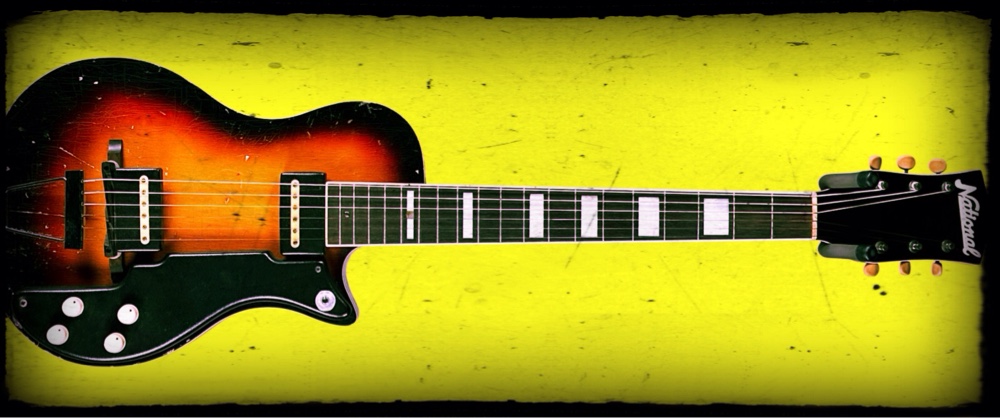
Late 50s National Bolero (bought approx. 2009)
Never walk into a high-end boutique and used guitar shop with a recently paid-off credit card. I went there because a friend had recommended it as being a place where you could look at some great telecasters. There was a vintage section, like a lot of stores have and sitting there was a new arrival, a late 50s national Bolero, which I recognized as a brand played by Blues star Jessie Mae Hemphill (her’s was one PU) and the legendary Howling Wolf.
This old Valco-made ¾ electric needs to be seen up close, in person, to experience the high temperature guitar lust it inspires and its $999.99 was well within my credit limit.
The Good: It’s a very comfortable guitar and has a classic Blues tone that sends you back to a 50s Chicago dive playing “Smokestack Lightning.”
The Bad: Though I’m sure that Valco National enthusiasts will disagree, as I played it at home, with my GAS adrenaline back down to normal, I realized to my dismay (though not severe, I respected the instrument and it’s Blues pedigree) that an old Harmony that was already in my possession had a similar sound, albeit a lot less playable.
What made it worse was that I could also get similar tones with a telecaster on some of my amps, an old Fender Frontman and Peavey Studio. It wasn’t really the Tele but that both amps could produce that distinct mid-range, very slightly distorted guitar sound in clean, and once in higher gain setting, like many guitars, begins to sound like many other old and new guitars.
The Ugly: It was one of the coolest guitars I’d ever played but it didn’t add a new thousand dollar sound to my collection. The Bolero’s rarity made it pricey but I could only bring out its inner Harmony/Silvertone, so it needed to move on to find someone who could bring out its true potential. I took it back the next day and we both went our separate ways.
Conclusion: The vintage Bolero is perfect for the old, classic early Chicago Blues sound but best for someone who would want it as a primary or secondary guitar. It’s not the guitar’s fault that it was near mint and pricey. If it had been a real beat up player’s guitar with reasonably functional electronics for a few hundred, it would have been a legendary keeper.
Al Handa
Sept.1, 2026
 |
 |
 |
 |
 |
 |
 |
 |
 |

