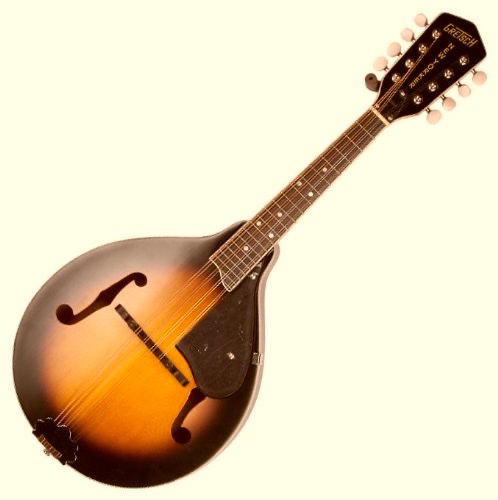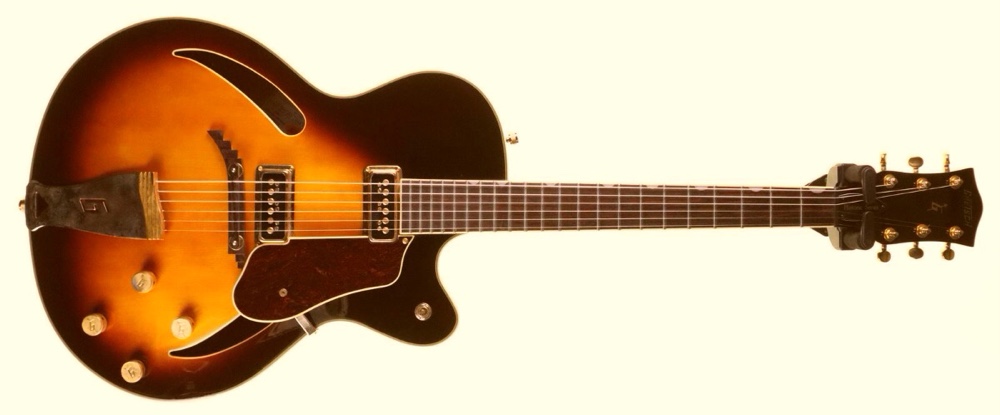
The Delta Snake Review

The Delta Snake Review

Translate

Showing posts with label gretsch. Show all posts

Saturday, April 20, 2024

Review: Gretsch G5810 Bo Diddley Electric Guitar

Review: Gretsch G5810 Bo Diddley Electric Guitar

Gretsch dares you to be different with this pretty close approximation of the original Bo Diddley guitar. Before Brian May of Queen, Bo made his own guitar using Gretsch electronics and neck and mated those to a rectangular piece of wood and a floating bridge and tailpiece. Also, there were no synthesizers on his records either.

Square guitars aren't an original idea. Both Leo Fender and Les Paul made their prototypes with simple chunks of wood.

However, Bo Diddley's contribution to the minimalist school of guitar design is that he didn't need a bench and could be played like a regular guitar. He later had two separate custom designs made by an independent luthier, and one by Gretsch. The former was named the “Mean Machine” and the latter, “Big B.”

What makes this guitar unique in the Gretsch product line is that it's been issued in a few different versions. Two were issued as part of the ill-fated Historic series (one full size, and another a 3/4 model). An expensive limited edition was created, and this G5810, is part of the Electromatic line. That's a lot of square guitars.

Except for the limited edition, these guitars are quite inexpensive, both new and used. Which makes sense, it's really just a wooden rectangle with a bolt-on neck, with a modern bridge substituted for the old tailpiece assembly. Add some decent Gretsch humbuckers and you have a pretty good screamer in the 300-400 dollar range (thanks to Asian manufacture).

This makes one wonder why even an American-made Telecaster (which is only a little more complex in construction) hits the 900.00 mark for an American Standard. That point is made rhetorically, as we all know that Teles cost that much because people will pay it.

In spite of the love-it-or-hate-it design, the Bo guitar is certainly a classic. As much so as the Flying V and the Explorer designs, it really should be judged in that class of guitar. It was made to be different than the mainstream and make a statement, and it did that as much as any other design.

This guitar has the two main strengths inherent in a classic Bo Diddley song. One, it's a cut-and-slash rhythm guitar with that metallic Gretsch bottom that will dominate the mid and upper ranges in any band. This isn't a Gibson.

Secondly, its lead voice is sharp and piercing at its best, like in Bo's “Who Do You Love” which wasn't anything like George Thorogood's well-known version. If you listen to Bo's “I'm A Man” or the immortal “Mumbling Guitar” (you'll see where the Yardbirds came from), you'll have here the instrument that will take you to that place.

There are some aspects of the guitar worth noting. You do have to be a little careful with it. I did bang my leg with one of the corners of this plank when sitting down. Luckily, it's not as heavy as it looks. The balance is OK, but with no sculpting, it is like having a straight-edged plank on your leg. Like the V, it's probably at its best as a stage guitar.

Also, the plain finish emphasizes the minimalist look of the guitar a little too much. To the point where it makes it look cheaper than it is, or worse, less cool than it could be. A nice glossy finish in candy apple red or some spectacular graphic would raise the cool quotient tenfold.

Given its flat surface, the owner could find this a nice blank canvas for the usual decals, interesting stencil work, etc. Certainly, a refinishing job wouldn't be all that expensive given how simple the surface is.

The reason I'm focusing so much on the looks is that in terms of the electronics, this guitar really doesn't need the usual pickup and wiring upgrade. If this guitar is about anything, it's style or anti-style.

If you're buying this guitar to emulate the classic Bo Diddley sound, it's more than good enough if you crank up the reverb, mid, and treble. This is as specialized a guitar as an archtop or twelve-string.

The old Bo Diddley records were classics of the 50's rhythm and blues sound. Lots of echoes, reverb, cheap-sounding tremolo, and plenty of that Gretsch treble attack. For that, you don't need an expensive guitar, just one that can recreate that feel. Remember, that sound was created by a homemade guitar.

This one does the job just fine and at a realistic price. A great second or third guitar. In this case, being square does mean Diddley.

- Al Handa
  2007

Note: This review first appeared on the ePinions.com site in 2013. This and other reviews were short takes that accompanied the link to a business that sold the guitar. As a rule, the guitar had to be at least examined and played by the reviewer (and ideally owned). In my case, a severe case of GAS made it possible to have at least owned the reviewed instrument for a short while. I'm reprinting these as having another source on a guitar never hurts, even if the reviews aren't definitive. Other than minor corrections, these short takes are unchanged from the original text. I figure that it might be helpful to keep the older perspective.

The Quitturz by Al Handa



AVAILABLE ON KINDLE UNLIMTED


AVAILABLE ON KINDLE UNLIMTED


Here's info on some of my Vella books:


The Quitturz (title not changed on ad yet)


https://www.amazon.com/kindle-vella/story/B09PC3L6PC


I, Ivy


 https://www.amazon.com/kindle-vella/story/B0B3RCBT4D


The Forbidden Lost Gospels Of Murgatroyde


 https://www.amazon.com/kindle-vella/story/B0BJ2TW4P1


The Boogie Underground Think Tank: How To Survive The End Of Civilization


 https://www.amazon.com/kindle-vella/story/B0BG6LNXTG



The Adventures Of Queen Khleopahtra: Ruler Of Egypt, Time Traveler, and Literary Detective


 https://www.amazon.com/kindle-vella/story/B0BJC122G7


Please check out and listen to my music on Spotify, YouTube, Apple Music and other music sites. Please add any cuts you like to your playlists!

Thursday, April 18, 2024

Review: 2006 Gretsch Wild West Sweetheart Guitar

Review: 2006 Gretsch Wild West Sweetheart Guitar

The new Gretsch limited edition “Wild West Sweethearts” guitar is the logical extension of the baby boomer practice of buying a rare guitar and putting it in a glass case. Gretsch has created a guitar with a collectible box, which like doll collecting, will be an indispensable part of the package. You can buy it and just put it on the pedestal right out of the shopping bag.

You do have to give them credit. After gagging time after time after hearing about the latest Gibson limited edition Les Paul for a measly five thousand dollars, it's refreshing to know that one can get into collecting the “Rowdiest collection of acoustic guitars this side of the Mississippi” for the relatively sane sum of 150.00. Shucks, I've paid more for gas.

This 3/4 size guitar features a “real factory setup” (I know, the term is meaningless), a 24” scale, steel reinforced neck, a red finish that rivals the vintage faded Gibson guitars for drabness, and two of the cutest cartoon gun slinging gals you ever saw on a geetar.

Of course, I had to play it. Any ad campaign that points out that the guitar is made of real wood is bound to fascinate. It reminded me a lot of my first guitar, sort of a rich, resonant, but slightly thin cardboard sound.

Not at all unpleasant. The sound was slightly evocative and had that old-time aura (but then, my acoustic ear had been destroyed by old archtops and resonators). It isn't up to the level of a baby Taylor or even a Martin Backpacker, but there's no denying that when you whip this one out at the campfire, the mosh pit will be in front of the log you're playing at.

There is a serious side, to be fair. Gretsch is reviving an old tradition that was made famous by the old Hawaiian guitars of the 1920s and the cowboy cheapies of the Tex Ritter era. Those guitars made up for the relatively cheap construction by sporting outlandish and colorful illustrations of cowboys, palm trees, and that sort of thing. Many of those do sound decent, particularly when used on slide numbers.

I should also add, that many of those old guitars are highly collectible. Even better, even more, are in such bad condition that for slide players, a cool guitar is often only a hop away from a Salvation Armani or antique shop (avoid the latter, they will charge blue book).

For those who like to read the back of cereal boxes while you eat, the guitar box is a real treat. It has a variation of the famous “Hero of the Beach” ad where the skinny guy gets sand kicked in his face in front of his already gorgeous girlfriend (so why's he worried), takes guitar lessons, and comes back all buff and kicks the bejeesus out of the bully (who was probably a Gibson Les Paul Custom owner to boot). 

Rounding out the fun are the ads that promise guitar mastery in just days, various novelty items we all saw in comic books (yes, I know you all read those at one time), and the cool Gretsch Americana front cover. Nice to have something to read while you play, eh?

Also, need I add, it proudly proclaims that the guitar is made of real wood! The words even look like twigs! I don't know if this will be a success, but it's nice to see a fun novelty guitar with some real history behind it sport a reasonable price tag.

I'd certainly recommend to anyone who wants to try out a 3/4 guitar (for travel, etc) to try this one. Sometimes a fun guitar plays better than a more serious one that tries too hard (see Martin Backpacker) or costs too much (see Taylor).

I have to admit, there isn't one of these fun little guitars in my near future. I already have an old beat-up Gretsch archtop featuring indifferent craftsmanship. For me, the past is already the present.

- Al Handa
  2006

Note: This review first appeared on the ePinions.com site in 2006. This and other reviews were short takes that accompanied the link to a business that sold the guitar. As a rule, the guitar had to be at least examined and played by the reviewer (and ideally owned). In my case, a severe case of GAS made it possible to have at least owned the reviewed instrument for a short while. I'm reprinting these as having another source on a guitar never hurts, even if the reviews aren't definitive. Other than minor corrections, these short takes are unchanged from the original text. I figure that it might be helpful to keep the older perspective.

The Quitturz by Al Handa


AVAILABLE ON KINDLE UNLIMTED


AVAILABLE ON KINDLE UNLIMTED


Here's info on some of my Vella books:


The Quitturz (title not changed on ad yet)


https://www.amazon.com/kindle-vella/story/B09PC3L6PC


I, Ivy


 https://www.amazon.com/kindle-vella/story/B0B3RCBT4D


The Forbidden Lost Gospels Of Murgatroyde


 https://www.amazon.com/kindle-vella/story/B0BJ2TW4P1


The Boogie Underground Think Tank: How To Survive The End Of Civilization


 https://www.amazon.com/kindle-vella/story/B0BG6LNXTG


The Adventures Of Queen Khleopahtra: Ruler Of Egypt, Time Traveler, and Literary Detective


 https://www.amazon.com/kindle-vella/story/B0BJC122G7


Please check out and listen to my music on Spotify, YouTube, Apple Music and other music sites. Please add any cuts you like to your playlists!

Saturday, April 6, 2024

Review: 2007 Gretsch Electromatic Pro Jet

Review: 2007 Gretsch Electromatic Pro Jet

The Gretsch Electromatic Pro Jet looks like a souped-up Les Paul copy, particularly the Ebony model which sports a pearloid pickguard. Like most Gretsch's of this type, the body length is a bit longer and leaner. This model also comes with a Bigsby (and costs about 100.00 more). 

The body has some hidden value that Epiphones in this price range (or above for that matter) rarely have, which includes a chambered mahogany body. Considering that the mass is similar to a LP, this is a good chunk of quality wood. Add to that a great neck, with good action, medium jumbo frets, and, well, passable rosewood on the fretboard. The bridge section included their version of a tune-a-matic, and a nice, thick retro “G” tailpiece.

Before you go rushing to buy and convert this 390.00 wonder (stopping off to buy two aftermarket humbuckers) into a lighter weight Les Paul (which is an attractive idea), be aware that the pickup configuration makes that virtually impossible unless you know how to rout out a guitar. 

The reason is that the pickups are T.V. Jones designed mini humbuckers, which can't be swapped out for virtually anything you can get at Guitar Center. Not even Gretsch has a clear upgrade path for this model, which given the body design, should be towards a Duo's humbuckers (but alas, it isn't).

Even more interesting, the humbuckers are classic vintage “H” style, with two rows of pickup poles. You can micro-adjust tone with those. However, be aware that if you adjust the poles too different, it may create an out of phase effect also. It'll be a challenge to someone used to single pole row humbuckers, but it's worth the effort. 

However, if you're considering buying a Gretsch, you wouldn't be thinking about trying to mold this into a Les Paul anyway. This is a Gretsch, and moreover, it is a rocker's Gretsch. Unless you have a pretty good tube or valve amp, you can pretty much forget the clean tone on this one. The front pickup sounds like baling wire, and the back pickup sounds OK. Lower the pickup, and you'll get a decent acoustic-like clean tone but forget even sounding like an Epiphone. 

Then, turn on the gain button, and suddenly the guitar comes alive. That chiming, bell-like sound with a hint of twang comes out of the front pickup, and the bridge PUP hits you with the smoothest twanging you'll ever hear. The Tele's worst enemy has arrived.

Crank the amp and you'll find that those T.V. Jones mini's make THE rockabilly sound, and all manner of classic sounds will come as you get to know the guitar. Also, crank the amp gain all the way up, and it's still the cleanest, smoothest distortion at this price range on up to the 1000.00 class.

Ironically, even though it has a poor clean tone (for many amps), its “jazzy” tone with light distortion is exceptional. Experiment with amp and tone settings, and this guitar will pretty much do what you want with it (even sound a bit like a Les Paul when in gain mode). This axe will chicken-pick at high volume as well as any telecaster, American made or not. If you are into the Gretsch sound, you'll shake your head at how a guitar like this could be so cheap.

Of course, the reason is simple. Like many Epiphones, the guitar is made in China. Which has created the interesting and ironic comments now coming up on the internet (and in private deals I've seen and made) where the once derided Korean guitars are becoming preferable to Chinese ones. The reason? Quality issues. However, and there are always exceptions, at least some of the guitars I've seen come out of there have been of exceptional quality and price. The Epi PR-5 Limited Edition was a superb value at 300.00.

Looking over my Pro Jet, I see no serious flaws, the chrome parts are flawless, and the pearloid pickguard is too cool for words. Also, since I got it for 300.00, I have no cause for complaint. A guitar of this construction with T.V. Jones designed pickups would have been 800.00 if American made, probably more. Or else cheaper materials like alder would have been integrated into the construction.

This Gretsch is part of a new manufacturing cycle, now based in China, and it will difficult for even old timers to quantify how good this or that guitar is given that the price will often be quite low. I'm sure the parent company, Fender, is watching this quite closely for future Squire models. 

Like I said in an earlier review about import Gretsch guitars; it’s nice to see a company put its name on the entire model line. It tells you that they stand behind every product it puts out, and that you don't have what they consider to be a “cheap” or “economy brand” model line. If you buy a Gretsch, you have a Gretsch, period.

Gretsch has had its ups and downs, but with guitars like this, their wild and cool sound will be blasting out of amps well into the next century. As well it should.

- Al Handa

  2007

Note: This review first appeared on the ePinions.com site in 2007. This and other reviews were short takes that accompanied the link to a business that sold the guitar. As a rule, the guitar had to be at least examined and played by the reviewer (and ideally owned). In my case, a severe case of GAS made it possible to have at least owned the reviewed instrument for a short while. I'm reprinting these as having another source on a guitar never hurts, even if the reviews aren't definitive. Other than minor corrections, these short takes are unchanged from the original text. I figure that it might be helpful to keep the older perspective.


The Quitturz by Al Handa


AVAILABLE ON KINDLE UNLIMTED


AVAILABLE ON KINDLE UNLIMTED


Here's info on some of my Vella books:


The Quitturz (title not changed on ad yet)


https://www.amazon.com/kindle-vella/story/B09PC3L6PC


I, Ivy


 https://www.amazon.com/kindle-vella/story/B0B3RCBT4D


The Forbidden Lost Gospels Of Murgatroyde


 https://www.amazon.com/kindle-vella/story/B0BJ2TW4P1


The Boogie Underground Think Tank: How To Survive The End Of Civilization


 https://www.amazon.com/kindle-vella/story/B0BG6LNXTG


The Adventures Of Queen Khleopahtra: Ruler Of Egypt, Time Traveler, and Literary Detective


 https://www.amazon.com/kindle-vella/story/B0BJC122G7


Please check out and listen to my music on Spotify, YouTube, Apple Music and other music sites. Please add any cuts you like to your playlists!


Thursday, April 4, 2024

Review: 2013 Gretsch G9470 Clarophone Banjo Ukelele

 Review: 2013 Gretsch G9470 Clarophone Banjo Ukelele

The Gretsch G9470 Clarophone Banjo ukelele is part of the company's Roots Collection, which is a low to mid-priced line that replicates the feel of their old vintage models. In this case with styling that hails back to the 20s and earlier.

The current popularity of ukuleles hasn't included this type, which remains more of a rarity or specialty instrument, though this style has always been around. The main reason is that banjos are viewed as archaic now, and a uke version more so.

It's been said that music is really a cycle where things tend to come back around, perhaps changed by technology. Ukeleles were once popular in pop music in the 20s and 30s, and so its current resurgence isn't really a big surprise.

Another good example is the 12-string guitar, which until Leadbelly and Pete Seeger popularized it again, was considered to be an instrument that was dying out. All it takes is a new generation to discover an instrument for it to come back. In the case of this Gretsch, it probably won't be the next big thing, but these things will never go away either. Vintage banjo ukes remain one of the few bargains in rare instrument market, and the newer models remain small, but steady sellers.

Banjo ukes had their day back in the 1800s when the banjo was still one of the most common instruments. Back then, it wasn't unusual to have banjo orchestras, with types of banjos that no longer exist today (same with mandolins), and in a small ensemble, this type was probably used as a “voice” or part of the overall show.

Banjo ukes can vary a great deal in sound, but it does have the recognizable plunk of its big brother. It's sharper sound also makes it very suitable for solo work and single note solos that can cut through a group of instruments better than a regular ukulele can.

The Gretsch was made with volume in mind, with a maple plywood rim and maple neck. The sharpness of the wood is offset by the use of a more expensive Fiber Skin head which will tend to produce a more plunky tone. The rim also has 12 brackets, which is a nice amount which will give the player a lot of control over the head tightness, and thus the tone.

That control has it's downside, which is that if you don't know how to adjust a banjo head (or be able to recognize if one is out of adjustment) then a first look at the uke can produce a negative impression. The one I tried out was adjusted right, so the tone was bright and clear. By the same token, I've tried banjos, for example, that had a loose head that sounded dull and echoed. Anyone trying out this instrument will have to take that into account.

The problem is that if the head is adjusted wrong, it probably won't be corrected in the store. If it sounds dull and too plunky, buying it with the idea that you'll adjust the head later can literally be an act of faith. When trying out any banjo uke, if it sounds bad to your ears in the store, walk away if the store won't or can't adjust it.

The basic idea is that when buying any instrument, the sound you hear is the sound you should buy. That's why so many guitarists who buy guitars with the intention of changing the pickups end up in an endless cycle of trying out new configurations. You could buy the uke (or banjo) and adjust the head and find that it’s still a poor sounding instrument.

I wouldn't dwell on this in a review except that the one flaw I've found in the Gretsch Roots collection instruments is that many of the ones I've tried out were poorly adjusted, particularly the banjos.

The best way to test the Gretsch Clarophone is to try it out along with regular ukes to see which sound you like the best. It won't be as resonant and sweet, but you might find that it has a great sound for use in folk, blues, and some types of jazz. Whether it comes off as a novelty instrument will depend on how you use it.

Most “novelty” instruments are used to play silly or humorous songs, but both the regular and banjo ukes have a real and legitimate musical history, and both have a sound well suited to playing good music.

The final consideration is the brackets along the rim. Some might find that those will poke and stick on clothing, particularly with T-shirts at the beach. Also, after about a couple to a few weeks, your ears will become good enough that you'll want to adjust the head to a sound that's more to your liking. For a casual player, that might be more thinking than you'll want to do with a pleasure instrument.

I found the Gretsch Clarophone a nice entry in the banjo uke market. In fact, I liked it better than some that were more elaborate in construction due to its vintage wood styling. It's plunkier tone is not as suited to jazzier numbers, but it has a solid mojo for folk and blues type numbers. Personally, I like these things better than regular ukuleles.

The construction is very good, with 12 brackets, good styling and competent tuners on a good playing neck. It's small, but it's clearly not a toy. Obviously, it can be a nice travel instrument and some of the sounds it can create recall the old vintage banjos of the 20s, when gut strings were in use. 

Another good point about banjo ukes. It's a try before you buy instrument, particularly if you're looking for an entry into the world of playing music. One advantage of a banjo uke has is that it's always been easier to make a good quality banjo type instrument than a guitar type (like the uke), and for this price, you may find that the sound and quality are better than regular ukes in this price range. Plus, ukes have been around long enough that price has come into the equation, and like guitars, you'll get a lot of advice to buy expensive ones (and a little contempt on the internet for the cheaper models).

The Gretsch Clarophone is what it is, and it's a decision between your ears and the banjo uke without a lot of experts (both real and imagined) telling you what's good or bad. Take it from a guy who prefers banjos to acoustic guitars, there's a ton of ukelele players out there, but with this Gretsch you can walk out of the store as one of a kind.


- Al Handa 

  2013

Note: This review first appeared on the ePinions.com site in 2013. This and other reviews were short takes that accompanied the link to a business that sold the guitar. As a rule, the guitar had to be at least examined and played by the reviewer (and ideally owned). In my case, a severe case of GAS made it possible to have at least owned the reviewed instrument for a short while. I'm reprinting these as having another source on a guitar never hurts, even if the reviews aren't definitive. Other than minor corrections, these short takes are unchanged from the original text. I figure that it might be helpful to keep the older perspective.


The Quitturz by Al Handa


AVAILABLE ON KINDLE UNLIMTED


AVAILABLE ON KINDLE UNLIMTED


Here's info on some of my Vella books:


The Quitturz (title not changed on ad yet)


https://www.amazon.com/kindle-vella/story/B09PC3L6PC


I, Ivy


 https://www.amazon.com/kindle-vella/story/B0B3RCBT4D


The Forbidden Lost Gospels Of Murgatroyde


 https://www.amazon.com/kindle-vella/story/B0BJ2TW4P1


The Boogie Underground Think Tank: How To Survive The End Of Civilization


 https://www.amazon.com/kindle-vella/story/B0BG6LNXTG


The Adventures Of Queen Khleopahtra: Ruler Of Egypt, Time Traveler, and Literary Detective


 https://www.amazon.com/kindle-vella/story/B0BJC122G7


Please check out and listen to my music on Spotify, YouTube, Apple Music and other music sites. Please add any cuts you like to your playlists!

Monday, April 1, 2024

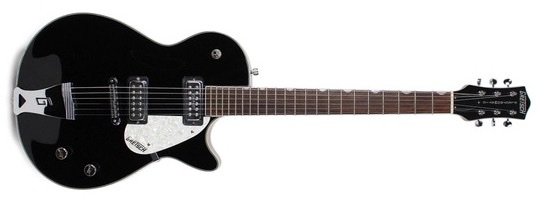
Review: Gretsch Roots Collection G9300 Yorker Supreme Mandolin

 Gretsch Roots Collection G9300 Yorker Supreme Mandolin

One of the most interesting, and I would have to say, exciting new low-cost instrument lines is the Gretsch Roots Collection, a full range of acoustic instruments that will almost certainly end up in more than a few collections. Great vintage looks, almost all the money spent on wood and hardware instead of electronics and flash, and the company willing to put its brand on it (as opposed to giving it an economy line name).

In the case of the Yorker Supreme Mandolin, which has a release date of the 25th of February, some are already showing up in the larger Stores, which are giving this line prominence in the acoustic area.

The Yorker, a low-cost F-style mandolin is joining a very crowded field in the 239.00 range. You can get nice looking beginning mandos starting from 150.00 up, and in the Yorker's price range, many come with electronics.

The Gretsch isn't the only “vintage” looking one in the field, but it's natural mahogany finish does differentiate it from the competition. As a rule, manufacturers strive to make these look as nice as possible in terms of finishes, but Gretsch went the other way, and made it look sort of like an old 1920's Gibson Mandolin Junior, which still has a cult following in this country.

The Gibson was an oval sound-hole type, but the sound of the Gretsch is similar, if a bit sharper due to the F-holes, which probably wasn't an arbitrary design decision. F-hole mandos are the most common type for bluegrass and that's where the market is. That, along with the rock and folk guitarists who buy a cheap one just to add an extra dimension to their sound (an important submarket).

The all-mahogany construction does give it a darker sound, more vintage 40s and 50s than one with the more common spruce (or maple top) would. In the case of the beginner, this type of mandolin would be more forgiving in its tone, with its mellower sound smoothing out mistakes and less than confident fingering of notes.

Even nicer, the stock Grover pegs hold tune well and are a nice touch in one area where most cheap mandolins are weak. The rest of the materials are good enough, and the styling as far as an old-time look is concerned, first rate.

I personally found the Gretsch Yorker Supreme very likable. Its tone is more old time, yet it has a nice chop and cut sound for those who want to play bluegrass, and it's more to my taste. Keep in mind we're talking about a low-cost model, so my comments about the instrument are in comparison to its competition.

A nice amount of time spent playing it reveals that it's bluegrass sound is more along the lines of the older style of the 30s and 40s, and for the average beginner, will be more pleasing to the ears. The tone's a bit rounder than a normal F-Style might have, but you know, the one thing about music is that there aren't any hard and fast rules about which instrument does what best. 

Even if your preference is the next tier that starts around 500.00 (I know, they prefer to say 498.00), I would consider this model while trying out the costlier Epiphone or Fender spruce top types in that range. Decades of manufacturing in Asia have changed some of the older ideas about what is good or bad, and what used to be a nice cheapie to learn on can often turn out to be a nice keeper for someone who just wants to own one instrument and just have fun with it. Most buyers don't buy instruments as a first step in a constant upgrading process.

Although it's not as much a consideration at this price range, I would think about what kind of music you intend to play before buying a mandolin. These F-hole “A Style” body types are one of the standards for bluegrass and may not have the type of resonance one would want for Celtic or folk. I personally play an old oval hole Martin and have never really liked the F-hole mandolin, but I must admit, this one has me thinking that at this price range, a second one for a little variety might not be so bad.

The vast majority of classic blues, folk, bluegrass, and old-time music was created and recorded with inexpensive or home-made instruments. In other words, talent makes music, not instruments. With this well made and inexpensive Gretsch, you might have all the tools you need to make a few classics on your own.

- Al Handa

  2013

Note: This review first appeared on the ePinions.com site in 2013. This and other reviews were short takes that accompanied the link to a business that sold the guitar. As a rule, the guitar had to be at least examined and played by the reviewer (and ideally owned). In my case, a severe case of GAS made it possible to have at least owned the reviewed instrument for a short while. I'm reprinting these as having another source on a guitar never hurts, even if the reviews aren't definitive. Other than minor corrections, these short takes are unchanged from the original text. I figure that it might be helpful to keep the older perspective.


The Quitturz by Al Handa


AVAILABLE ON KINDLE UNLIMTED


AVAILABLE ON KINDLE UNLIMTED


Here's info on some of my Vella books:


The Quitturz (title not changed on ad yet)


https://www.amazon.com/kindle-vella/story/B09PC3L6PC


I, Ivy


 https://www.amazon.com/kindle-vella/story/B0B3RCBT4D


The Forbidden Lost Gospels Of Murgatroyde


 https://www.amazon.com/kindle-vella/story/B0BJ2TW4P1


The Boogie Underground Think Tank: How To Survive The End Of Civilization


 https://www.amazon.com/kindle-vella/story/B0BG6LNXTG


The Adventures Of Queen Khleopahtra: Ruler Of Egypt, Time Traveler, and Literary Detective


 https://www.amazon.com/kindle-vella/story/B0BJC122G7


Please check out and listen to my music on Spotify, YouTube, Apple Music and other music sites. Please add any cuts you like to your playlists!
Thursday, March 28, 2024

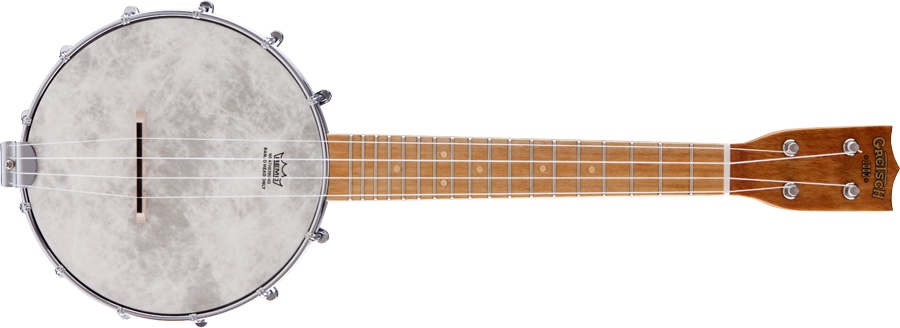
2003 Gretsch G3900 Synchromatic Archtop

Review: 2003 G3900 Synchromatic Archtop

The Gretsch G3900 Synchromatic Archtop was part of an extensive release of three Korean manufactured product lines to be priced in the sub-1000-dollar category. Although there were three distinct lines, due to an unclear distribution and marketing strategy, there isn't a lot of information about these guitars on the internet. In fact, it's unclear how many even reached the market in any numbers, and there are models out there that may never have even been listed as new releases.

This particular archtop was part of the “Historic Series,” and was intended to be a link to one of 17 past classic designs. A lot of this was primarily marketing spin, as most only had a superficial resemblance to the past. In this case, the guitar didn't really resemble the legendary Synchromatic acoustic arch-top line that was introduced in 1939 and included everything from student to Pro versions.

Except in two details: One, the guitar features the distinctive unbound “Cats Eye” holes, and two, a distinctive (and to some, maybe a weird looking) modern-deco type wood bridge. In all other respects, it's actually a lightweight medium sized Gibson-influenced arch-top with a slight old time Gretsch flavor.

Adding to the retro vibe is the single coil floating pickup, with the tone and volume control mounted on the pickup guard. The vintage sunburst tone is very authentic looking, although not traceable to any particular classic Gretsch and it's an attractive and clearly durable finish.

The body is laminated maple, with a one piece bound maple neck. The tuners are good, hold tune well, and tune fast. The all-maple construction, laminated to reduced feedback, results in a guitar that can get jazzy tones with some tone settings and picking technique, but the pickup isn’t quite warm enough. The tone isn't quite “round” enough, but to be fair, you don't buy a Gretsch to play pure jazz. Thicker strings do improve the jazz tone noticeably, and one can always add a Benedetto to the pickguard and radically improve that capability. 

I did notice that .12's stifle the sound, although it makes the jazzier side come out. You get a muddier tone, so the best compromise turned out to be .11's. It doesn't have a big enough box for a .12 set to drive in that style.

The small body is extremely comfortable to hold and play and produces a fine acoustic tone. If you fingerpick it with your nails, it gives you the Chet Atkins sound without breaking a sweat. If you want the sound a bit smoother, you can do that, or back off the volume and get some acoustic bite. This was the capability I enjoyed most in the guitar. 

Turn up the gain, and you have a more than decent retro-rock, rockabilly or bluesy-rock guitar. The small neck makes chording and fast soloing easy, and many players will find this guitar will make them sound better.

The best way to describe the guitar is that it's a niche type. However, it can do electric finger style extremely well and old 40's and 50's style jazz-acoustic are certainly within your reach. It's a guitar that didn't sell well but might have if players could have been exposed to the subtleties it was capable of. I experimented with tuning it to an open jazz chord, and while it couldn't do the Wes thing, a lot of Django came out. Not bad.

For example, I like to relax by improvising to an open tuning or, say, some John Fahey arrangement. By backing off the volume a bit, I found that the acoustic-electric sound was capable of a sound that responded to even the lightest amount of touch.

It's one of those guitars one can bring a lot out of in terms of tone, as opposed to the other way around. That's a good point to remember in an age where a majority of players expect the guitar to make the sound for them. I found this guitar much more enjoyable than, say, the Epiphone Zephyr or some Artcores I took a chance on early on.

In 2003, Fender took over this company and this guitar and the rest of the Historic models were discontinued, leaving only the Electromatic line in place. That and the extremely pricey high-end guitars. 

There is one very interesting aspect about this guitar, and the Historic line in general. Unlike Gibson, which uses Epiphone for its budget guitars, Gretsch backed this line with its name.

As a result, it's one of those rare Korean made guitars that has kept a good resale value. Most of these guitars that come onto the market are snapped up even at prices close to it's original retail. Korean or not, you're still buying a Gretsch. It helps that the G3900 was a good guitar in the first place, but it also shows what a good name means in a crowded guitar market full of imports.

- Al Handa

  2006

Note: This review first appeared on the ePinions.com site in 2013. This and other reviews were short takes that accompanied the link to a business that sold the guitar. As a rule, the guitar had to be at least examined and played by the reviewer (and ideally owned). In my case, a severe case of GAS made it possible to have at least owned the reviewed instrument for a short while. I'm reprinting these as having another source on a guitar never hurts, even if the reviews aren't definitive. Other than minor corrections, these short takes are unchanged from the original text. I figure that it might be helpful to keep the older perspective.


The Quitturz by Al Handa


AVAILABLE ON KINDLE UNLIMTED


AVAILABLE ON KINDLE UNLIMTED


Here's info on some of my Vella books:


The Quitturz (title not changed on ad yet)


https://www.amazon.com/kindle-vella/story/B09PC3L6PC


I, Ivy


 https://www.amazon.com/kindle-vella/story/B0B3RCBT4D


The Forbidden Lost Gospels Of Murgatroyde


 https://www.amazon.com/kindle-vella/story/B0BJ2TW4P1


The Boogie Underground Think Tank: How To Survive The End Of Civilization


 https://www.amazon.com/kindle-vella/story/B0BG6LNXTG


The Adventures Of Queen Khleopahtra: Ruler Of Egypt, Time Traveler, and Literary Detective


 https://www.amazon.com/kindle-vella/story/B0BJC122G7


Please check out and listen to my music on Spotify, YouTube, Apple Music and other music sites. Please add any cuts you like to your playlists!