The Delta Snake Review

The Delta Snake Review

Translate

Showing posts with label telecaster. Show all posts

Thursday, August 6, 2026

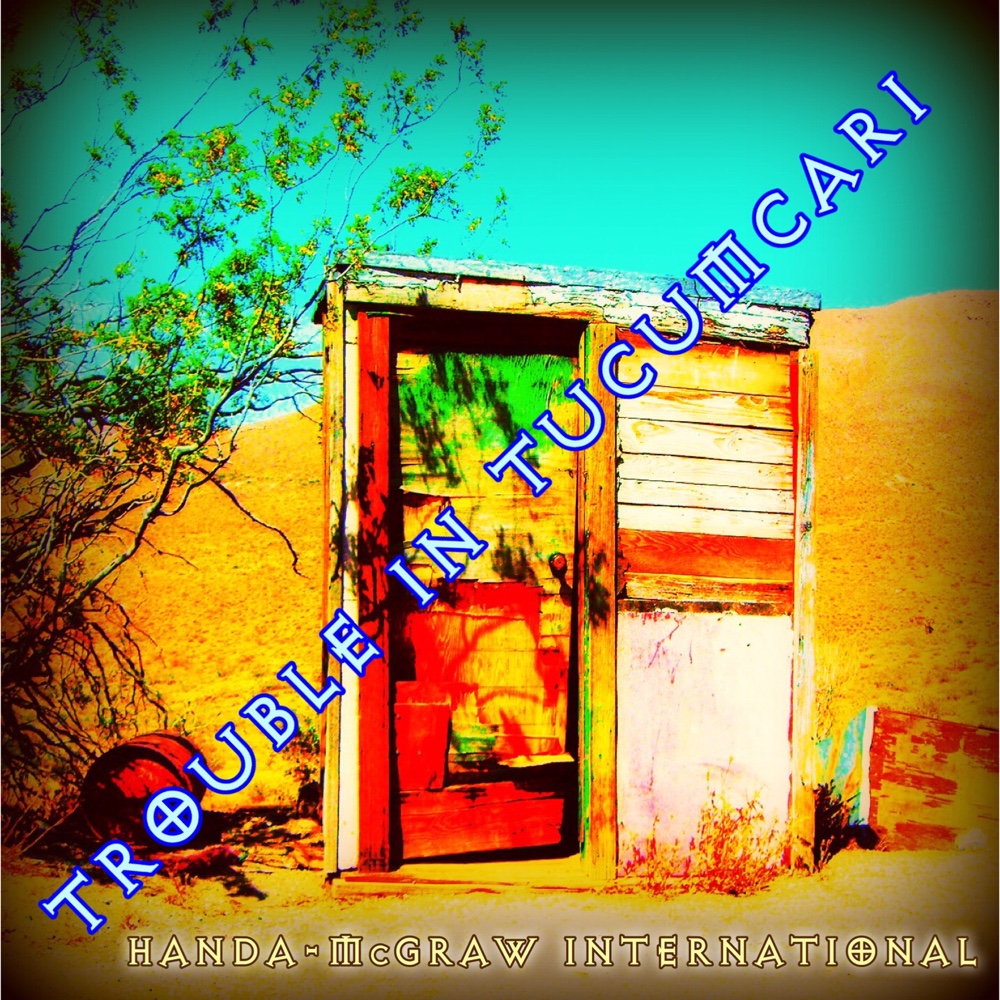
Vintage Instruments On Handa-McGraw International cuts - Part 3


Vintage Instruments On Handa-McGraw International cuts


H.M.I. Vintage Instruments Part 3


Mark McGraw on his mid-70s Gibson J-55


Bombay Express To The River Ganges Stargate (Tony Williams style jazz)

https://youtu.be/-N2WHVs9BXI?is=RZeeWDtfFqQmm9pI


Holy Calypso (w/percussion)

https://youtu.be/gzT856WxH2w?is=RycRprstRG93bnXc


Mark McGraw on his 1974 Walnut Telecaster


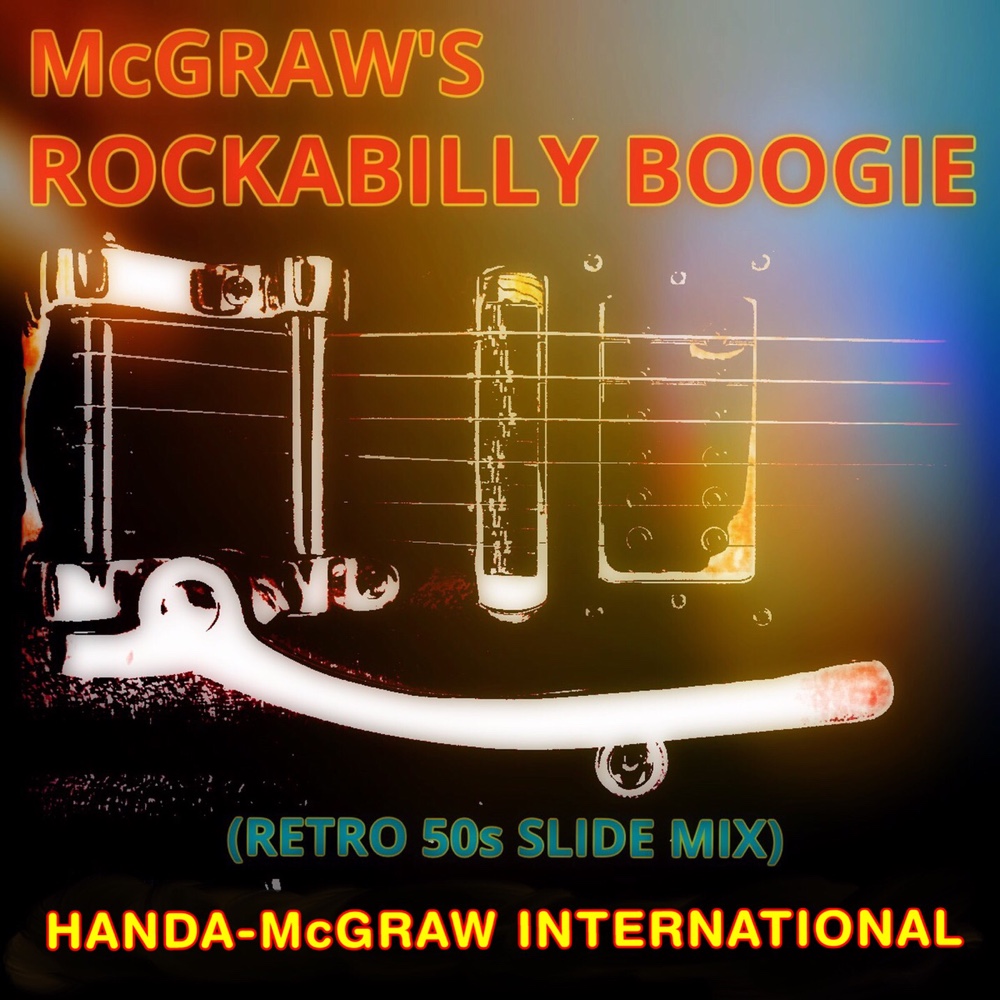
McGraw’s Rockabilly Boogie

https://youtu.be/w5jTS6vt8Tc?is=GC-qyO3Rbsk4d1hV


Topanga Reprise

https://youtu.be/HUENrBO0nfY?is=tFV_BhyJTo65TDJs


Monday, July 27, 2026

Retro Review: Jay Turser, Forerunner Of Internet Guitars - 2009 Jay Turser JT-LTP Paisley (Tele style)


Retro Review: 2009 Jay Turser JT-LTP Paisley (Tele style)

Before the advent of YouTube/Internet guitars, there was a group of brands such as Jay Turser (and Rogue) who distributed to used guitar stores, smaller stores that didn’t have new Fenders or Gibsons, early mail order, etc. The impact of these surprisingly good cheap guitars was very much the same as today, albeit with a smaller group of guitar players. However, it was the type of group that could keep a third-party brand alive through word-of-mouth and where it really counted, with trades and purchases.

The appeal wasn’t just being good copies of traditional guitars, but also the willingness to provide offset and unique design finishes in a price range where normally you got a plain product.
I first ran into Jay Turser guitars in this used guitar store called Starving Musician in Santa Clara, California. They specialized in used instruments and third-party new. They were among the first to carry a full line of Jay Turser guitars.

One of  the most popular arrivals in the store was the JT-LTP paisley telecaster which generally sold for around 150 or so. If you bought it used, it was even cheaper. There were the usual comments that the guitars would fall apart quickly, etc., but most people who were familiar with guitars could see that the Tursers were decent guitars for the price. 

In the case of the  JT-LTP, it had a decent maple neck, solid wood body (basswood or mystery wood at times) and the paisley design was colorful and very attractive, even if it was a veneer. It wasn’t easy to get an inexpensive paisley telecaster at the time so I along with many other Tele players bought one.

Where this guitar could fail was in play ability and sound, of course, but the basic ergonomics matched a Squier telecaster, except it was much lighter) and the sound quality was what I would put at maybe 85% of a stock Fender pick up’ in terms of clarity and tone. Like most guitars, that difference began to narrow the higher the volume and/or gain.
Most of the people who liked Jay Turser guitars, like me, probably ended up buying at least half a dozen. There were various SG copies that were extremely popular and often out of stock. One of my fondest memories was a purple copy of an SG Junior with a soap bar P90 that was at least as good as an Epiphone.

In my case, I got two of the SG models, the Paisley Tele and a strange surf guitar that kind of looked like a ESP Les Paul copy except it had three soap bar P90 pickups and a tremolo bar.
I think the main reason the various telecaster models from JT didn’t get even more popular was because you couldn’t always add aftermarket Fender parts; it was during a time when there weren’t quite as many third-party products as there are now.

I kept the Turser for about a year, along with my teles until it was replaced by the Peavey version of a telecaster. I’ll review that one as soon as I can locate all of my old ePinion.com drafts. That Peavey “T” guitar and the three pickup Steve Cropper Tele were very underrated guitars.

So, what distinguished the Jay Tursers was that they were in a price range that no one could believe a playable guitar could be at, in particular the SG and tele models. They also came out with a large Gretsch Falcon copy that was extremely popular due to its low cost and surprisingly authentic detail.
I’ll go more into the various SG models that Turser came out with in the near future, many of which were quite popular.

Al Handa
July 27, 2026


Jay Turser JT-LTP Paisley

Body Style: Single-cutaway T-style solid body
Finish: Glossy paisley print top (commonly produced in red, purple sunburst, or light blue variations)
Hardware: Chrome
Bridge: Standard traditional vintage-style or adjustable tele bridge
Neck Material: Maple
Fingerboard Material: Maple or Rosewood (depending on production run/year)
Scale Length: 25.5 inches 
Pickup Configuration: Standard dual single-coil pickups (neck and bridge)
Controls: 1 Volume, 1 Tone, 3-way pickup selector switch


Monday, April 1, 2024

Review: 2004 Fender MIM Muddy Waters Artist Series Signature Telecaster


Review: 2004 Fender MIM Muddy Waters Artist Series Signature Telecaster

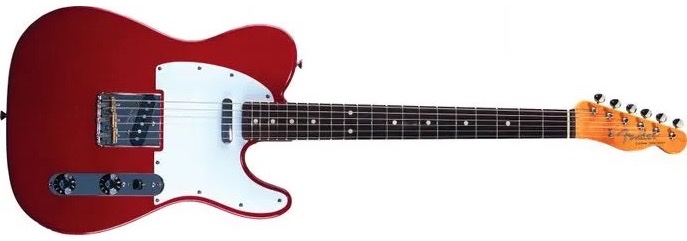
If you wanted to name a guitar after a blues legend, probably none would be as powerful an association as Muddy Waters, an artist of almost mythical status. One of the guitars most associated with him was a candy apple red telecaster, with a 50's style body, Fender amp knobs instead of the stock metal ones, and an extra-large custom-made neck. In an interview with Johnny Winter, he said that many other players found it hard to play due to its thick strings and high action. The reason? It was the guitar that gave him that distinctive single note slide sound that characterized his solos.

In 2000, the Fender Custom shop put out a limited run of 100 special edition “Muddy Waters Tribute” telecasters, which garnered excellent reviews. At around the same time, the company released a lower cost version on its “Artist Series” called the Muddy Waters Telecaster. It was made up of American parts that were shipped to Mexico to be assembled and painted. As such, it's one of the higher end models from that country, but with an average street price of around 600.00. Not bad compared to an American made.

Obviously, it couldn't be released as it was in the custom version, with higher action, pre-made scratches and dents (I don't know about you, but I find it silly to pay a king's ransom for a scratched-up guitar). You'd be paying a lot just for labor. 

It's a nine-pound guitar as it is, heavy even for a tele, and a beefy neck with high string height simply isn't going to sell to the average guitar player. So, a 60's style “C” neck, with a nice rosewood fretboard was used, with medium jumbo frets and good vintage “ping” style tuning pegs. One interesting thing about the pegs is that the tuning ratio is a bit higher, so tuning is fast yet accurate.

The 50's style body is thick and made of ash. It's a solid plank, and for me it recalled the days back when I played a 1971 maple neck model and carrying it even a short distance was serious business. I bought mine used in a Gator case, which makes it a relatively lighter package. It's no accident that Fender includes a custom gig bag with it instead of a case.

The bridge is a 50's style three-piece brass type, with molding that will strike some as being cheap or primitive. I would have to agree, but keep in mind, the idea was to duplicate as much as possible what was stock on Muddy's guitar back then.

The pickups are a mixed bag. The neck and bridge “classic” pickups are running at around 6.9 ohms with staggered Alnico V magnets. What I've noticed is PU adjustment is important, and if improperly placed, can sound too thin and strident. By the same token, find its sweet spot, and you'd be hard pressed to hear the difference between the Muddy and an American made.

Keep in mind, it’s a 50s style Tele, so it’s going to sound different to those who are used to hotter pickups (though, for some, it’s a definite plus).

The sound is versatile, covering a range of jazzy sounds (thanks to the thick, dense body), biting blues, and a back pickup that makes that country pinging sound easy. Using it for slide (the way Muddy did) will give you a different tone, a biting, stinging sound as opposed to the thicker Elmore James roar.

The finish is a bright red polyester, which isn't exactly classic, but realistically, easy to keep clean and tough to scratch. Also, it makes the guitar look just like the original, and at this price range, that's more than good enough. 

With a guitar that is already a legend in itself, they couldn't have picked a better namesake. Fender took the trouble to put more quality and vintage vibe than they normally would in a Mexican model, and as a result, to this day, it's one of the more sought-after models in the used market.

As if that wasn't enough, one more touch gives inspiration when you strap on this impressive and fun guitar. As you look down, there's the Muddy Waters signature on the neck plate, and if you're like me, you'll feel a connection to a real hero of the blues.

- Al Handa

  2006

 Note: This review first appeared on the ePinions.com site in 2013. This and other reviews were short takes that accompanied the link to a business that sold the guitar. As a rule, the guitar had to be at least examined and played by the reviewer (and ideally owned). In my case, a severe case of GAS made it possible to have at least owned the reviewed instrument for a short while. I'm reprinting these as having another source on a guitar never hurts, even if the reviews aren't definitive. Other than minor corrections, these short takes are unchanged from the original text. I figure that it might be helpful to keep the older perspective.


The Quitturz by Al Handa


AVAILABLE ON KINDLE UNLIMTED


AVAILABLE ON KINDLE UNLIMTED


Here's info on some of my Vella books:


The Quitturz (title not changed on ad yet)


https://www.amazon.com/kindle-vella/story/B09PC3L6PC


I, Ivy


 https://www.amazon.com/kindle-vella/story/B0B3RCBT4D


The Forbidden Lost Gospels Of Murgatroyde


 https://www.amazon.com/kindle-vella/story/B0BJ2TW4P1


The Boogie Underground Think Tank: How To Survive The End Of Civilization


 https://www.amazon.com/kindle-vella/story/B0BG6LNXTG


The Adventures Of Queen Khleopahtra: Ruler Of Egypt, Time Traveler, and Literary Detective


 https://www.amazon.com/kindle-vella/story/B0BJC122G7


Please check out and listen to my music on Spotify, YouTube, Apple Music and other music sites. Please add any cuts you like to your playlists!

Monday, March 25, 2024

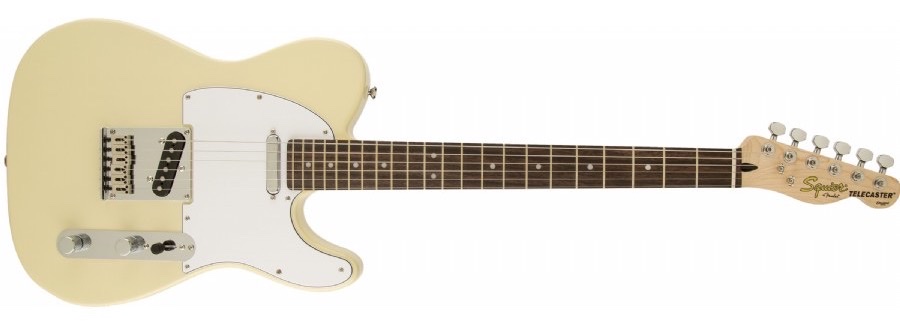
Review: 2013 Squier Standard Telcaster


Review: 2013 Squire Standard Telecaster

The Squire Standard Telecaster is a copy of the Fender Standard model, but of course, made with cheaper materials. The body is agathis, which isn't impressive, but as I've said in other reviews, there are those who feel it can have the same sonic properties as alder (the normal wood for Fenders). It's a nicely made, attractive copy, and priced at an affordable 230.00 (internet).

The problem is that Fender has stacked up that price range with 300.00 Vintage Modified special editions, and an Affinity series that ranges around 180.00. Since this guitar is in the price range for beginners (in the US anyway, we seem to think a 200.00 price is peanuts) this can create some confusion.

Should the new guitarist buy this one, or spend seventy bucks more on a VM version? After all, neither choice will impress the guitar snobs on the internet, and most feel they will upgrade to a more expensive Fender someday anyway (keep in mind, in many cases you'll either keep this one or decide that guitar playing isn't for you).

It's not a trivial question. New guitar purchasers, particularly parents buying one for their kid, can get a massive case of sticker shock looking at the price of a top line Fender, much less a Gibson. Most have a budget of a few hundred, and there's still an amp to buy also. Seventy bucks less can ensure the buyer also walks out with a gig bag or small amp, so it's worth considering (or a 50.00 saving buying an Affinity).

It may seem like I’m nitpicking, but most people who are buying in this price range are doing so because that’s the amount that fits in a budget that includes more important things like rent, bills and food. In that context, a fifty dollar difference is important.

The Squire Standard Tele has some good things going for it. It's not badly made, looks like a Standard, and has a rosewood fretboard. Also, though Fender has peppered the Squire line with all sorts of cool Vintage Modified versions, most of those are variations of the Standard, and there are some who’ll want a Tele with the traditional look.

How this guitar sounds is another factor. A beginner isn't going to notice that it's not as good as a Standard, particular at higher gain settings on the amp. In fact, for some alternative/grunge applications, it might actually work better than the higher priced US version. It's got a good trash rock sound at high volume.

The sound is somewhat thin, and flat in clean mode. Moving the guitar around to different amplifiers did create different impressions. If you put this Squire on an expensive tube amp, it sounds passable in clean, and not too bad at all at high gain.

Plug this guitar into a cheap small amp and it's a close call between this one and a 60s era Japanese cheapie which might have more mojo. But then, buying a cheap old 60s guitar with a gold foil pickup just because Ry Cooder likes the sound is more a thing that guitar connoisseurs (both real and imagined) would do.

Looking at it objectively, the buyer should simply consider one thing about this tele; is it well set up and easy to play, and do you feel good about it's looks and feel? Does the sound coming out of the amp sound good enough?

If so, at this price range, it's as good a choice as any. I found it as comfortable as any other tele (being used to that type) and playing it felt easy and without major issues in terms of comfort, etc.

I do notice that many newer (or even intermediate) players don't test the guitar on an amp that's at least similar to what they have at home, or intend to buy. In fact, many either choose (or are steered by a store employee) to try it out on a 2000.00 Marshall or something, and the guitar will, of course, sound a lot better. On a beginner guitar, having a sound that pleases experts isn't important but you do want to hear the same tone at home that you heard in the store.

In short, my opinion is that this model is more than serviceable in good hands. The guitar is better set up than any beginner guitar I tried out in the 60s, and the overall quality of build is better. Some of the older 60s and 70s economy models have better body material as quality wood was a lot cheaper and plentiful then, but by almost any other standard this Squire is a decently priced value that a beginner will enjoy playing, and if it turns out to be the one you end up keeping for leisure fun, it’ll do just fine.

- Al HANDA

  2013

Note: This review first appeared on the ePinions.com site in 2013. This and other reviews were short takes that accompanied the link to a business that sold the guitar. As a rule, the guitar had to be at least examined and played by the reviewer (and ideally owned). In my case, a severe case of GAS made it possible to have at least owned the reviewed instrument for a short while. I'm reprinting these as having another source on a guitar never hurts, even if the reviews aren't definitive. Other than minor corrections, these short takes are unchanged from the original text. I figure that it might be helpful to keep the older perspective.


The Quitturz by Al Handa


AVAILABLE ON KINDLE UNLIMTED


AVAILABLE ON KINDLE UNLIMTED



Here's info on some of my Vella books:


The Quitturz (title not changed on ad yet)


https://www.amazon.com/kindle-vella/story/B09PC3L6PC


I, Ivy


 https://www.amazon.com/kindle-vella/story/B0B3RCBT4D


The Forbidden Lost Gospels Of Murgatroyde


 https://www.amazon.com/kindle-vella/story/B0BJ2TW4P1


The Boogie Underground Think Tank: How To Survive The End Of Civilization


 https://www.amazon.com/kindle-vella/story/B0BG6LNXTG


The Adventures Of Queen Khleopahtra: Ruler Of Egypt, Time Traveler, and Literary Detective


 https://www.amazon.com/kindle-vella/story/B0BJC122G7


Please check out and listen to my music on Spotify, YouTube, Apple Music and other music sites. Please add any cuts you like to your playlists!


Saturday, March 23, 2024

Review: 2007 MIM Baja Telecaster


Review: Fender Baja Telecaster

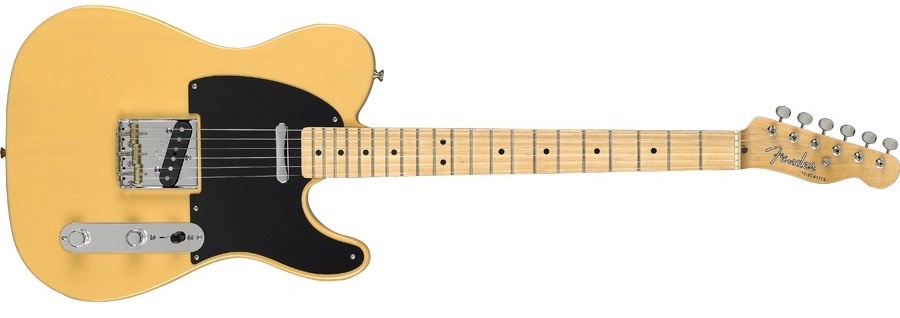
When I first saw a Fender Classic Player Baja Telecaster, it brought back a sense of deja vu. One of my first guitars was a '71 tele with a translucent blonde finish, rewound front pickup, and with a maple neck rewired to low medium jumbo frets. Paid the then average cost of 250.00 for it.

I played it for 20 years without a problem, and it wasn't a voluntary parting, the details of which I'll spare you, but I always did remember and revere that guitar.

Anyway, back to the Baja.

What it hit me was that except for the finish, which was thick, it was almost a dead ringer for my old tele. When I picked it up (it was on the floor, leaned against some amps), I realized it was damaged. A one-inch gash on the front back edge all the way to the wood, and a screw missing from the switch panel (that was a first, even in a Guitar Center). A friend who worked there said people regularly stole screws and hardware off demo guitars.

That was an opportunity. I went to the counter to my usual salesman (I try to deal with only one person in each store) and made an offer on the guitar and got 300.00 off on it.

The Baja is a 50's style Tele, designed by the famed Fender Custom Shop master designer Chris Fleming. On the surface, it looks like a simple 50's reissue. Soft V maple neck, three piece bridge, broadcaster bridge pickup, simple pick guard and vintage era tuners. From the outside it's all classic lines.

However, underneath the hood is a “twisted” hot neck pickup (somewhat Stratty), four position switch, and a S-1 up switch to give you four more options. The options include the classic sounds, out of phase, and so on, but the real treat is the classic Broadcaster bridge PUP, and the two pickups in serial mode option in S1. The latter really gives you a lot of output.

It's a little lighter than the Standard. The body is made of ash, which is a hair bit lighter, or at least it feels that way, and the neck is perfect. Great medium jumbo frets and good tuners. The only problem I can see is that it's an old-style neck, so adjustment requires taking off the pick guard. 

Also, you have to like playing a maple neck. It doesn't have the now usual rosewood fretboard. Some feel that the maple fretboard is “slower” due to the surface and thickness and that could be. I'm not a speed player, most of what I get from a guitar comes from hammer ons, bends, pull offs, that sort of thing. Which for me, a maple neck is perfect. You can't get the tone a maple neck gives you any other way.

Its relatively low street price of 800.00 (internet) is due to it being assembled in Mexico. For some this might be a problem due to past MIM quality problems. Many of those poor sounding MIM Fenders were due more to cheap components than bad craftsmanship. Many of the good buys in the Fender line, like the Jimmy Vaughan Strat, are assembled in Mexico.

In this case, the Baja Tele is a Custom Shop Style Fender you can afford, and the “classic series” they've created are among the best values on the market right now. You can pay more, and get less guitar for an American Standard, or even less and get less guitar for a Highway Series. 

Or just don't worry about where it was made and enjoy what would have been a 1600.00 tele if it had been made here.

Before buying the damaged Baja, I of course tested it to make sure it worked. After all, it takes a lot to knock wood off a tele even with the guitar's reputation for toughness. It worked just fine, though the tone was brighter, which is something to consider if you’re interested in buying one.

It was good to know that some things never change, and I got a bargain complete with a free relic job.

- Al HANDA

  2007

Note: This review first appeared on the ePinions.com site in 2013. This and other reviews were short takes that accompanied the link to a business that sold the guitar. As a rule, the guitar had to be at least examined and played by the reviewer (and ideally owned). In my case, a severe case of GAS made it possible to have at least owned the reviewed instrument for a short while. I'm reprinting these as having another source on a guitar never hurts, even if the reviews aren't definitive. Other than minor corrections, these short takes are unchanged from the original text. I figure that it might be helpful to keep the older perspective.


The Quitturz by Al Handa


AVAILABLE ON KINDLE UNLIMTED


AVAILABLE ON KINDLE UNLIMTED


Here's info on some of my Vella books:


The Quitturz (title not changed on ad yet)


https://www.amazon.com/kindle-vella/story/B09PC3L6PC


I, Ivy


 https://www.amazon.com/kindle-vella/story/B0B3RCBT4D


The Forbidden Lost Gospels Of Murgatroyde


 https://www.amazon.com/kindle-vella/story/B0BJ2TW4P1


The Boogie Underground Think Tank: How To Survive The End Of Civilization


 https://www.amazon.com/kindle-vella/story/B0BG6LNXTG


The Adventures Of Queen Khleopahtra: Ruler Of Egypt, Time Traveler, and Literary Detective


 https://www.amazon.com/kindle-vella/story/B0BJC122G7


Please check out and listen to my music on Spotify, YouTube, Apple Music and other music sites. Please add any cuts you like to your playlists!