The Delta Snake Review

The Delta Snake Review

Translate

Showing posts with label new wave. Show all posts

Saturday, October 17, 2026

Delta Snake Review: Oct. 17, 2026 - Quitturz 2 update, cover reveal and diagram, three Godfathers of Punk short takes.


The Delta Snake Review: Oct. 17, 2026

Topics: Quitturz 2 update, cover reveal and diagram, three Godfathers of Punk short takes.

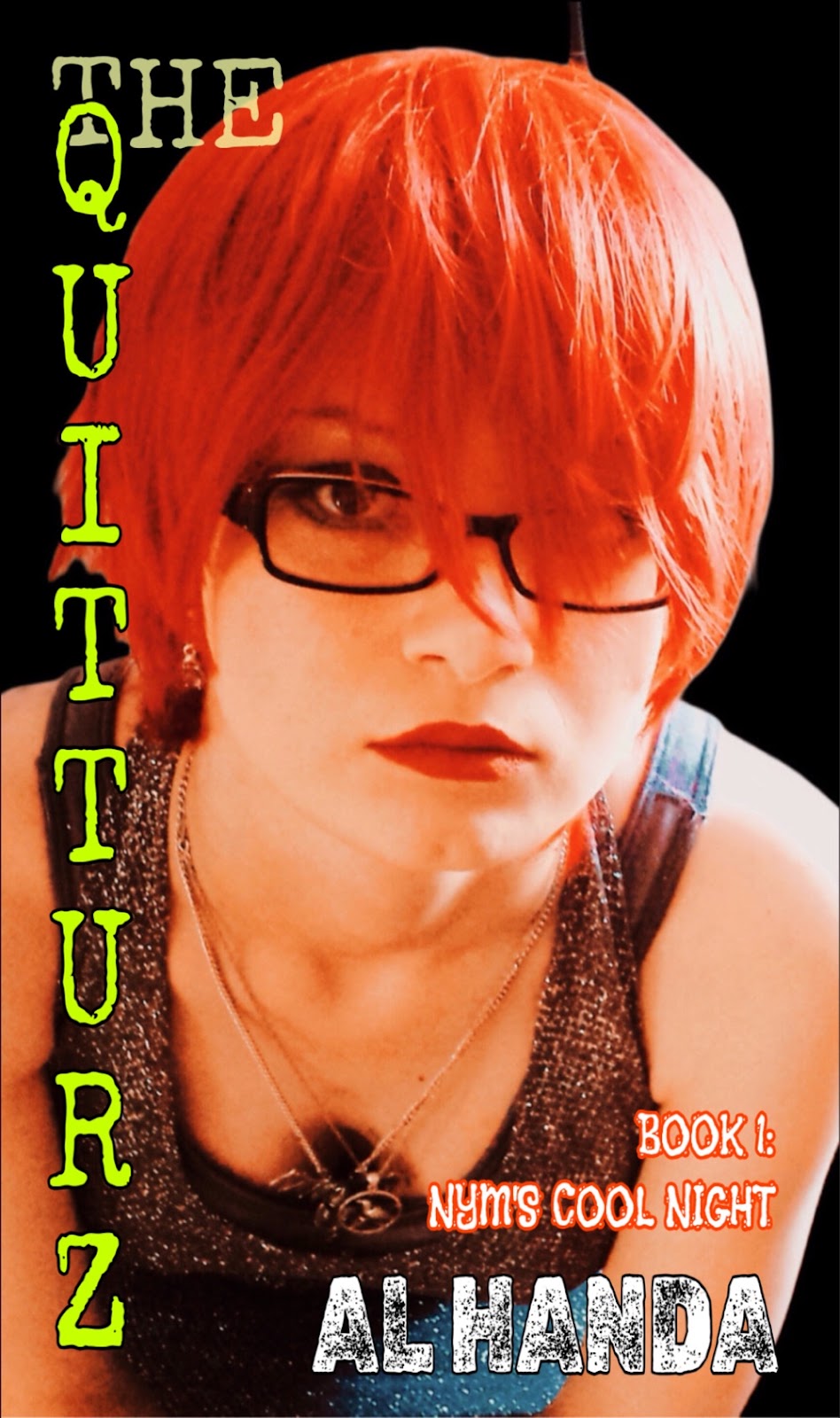
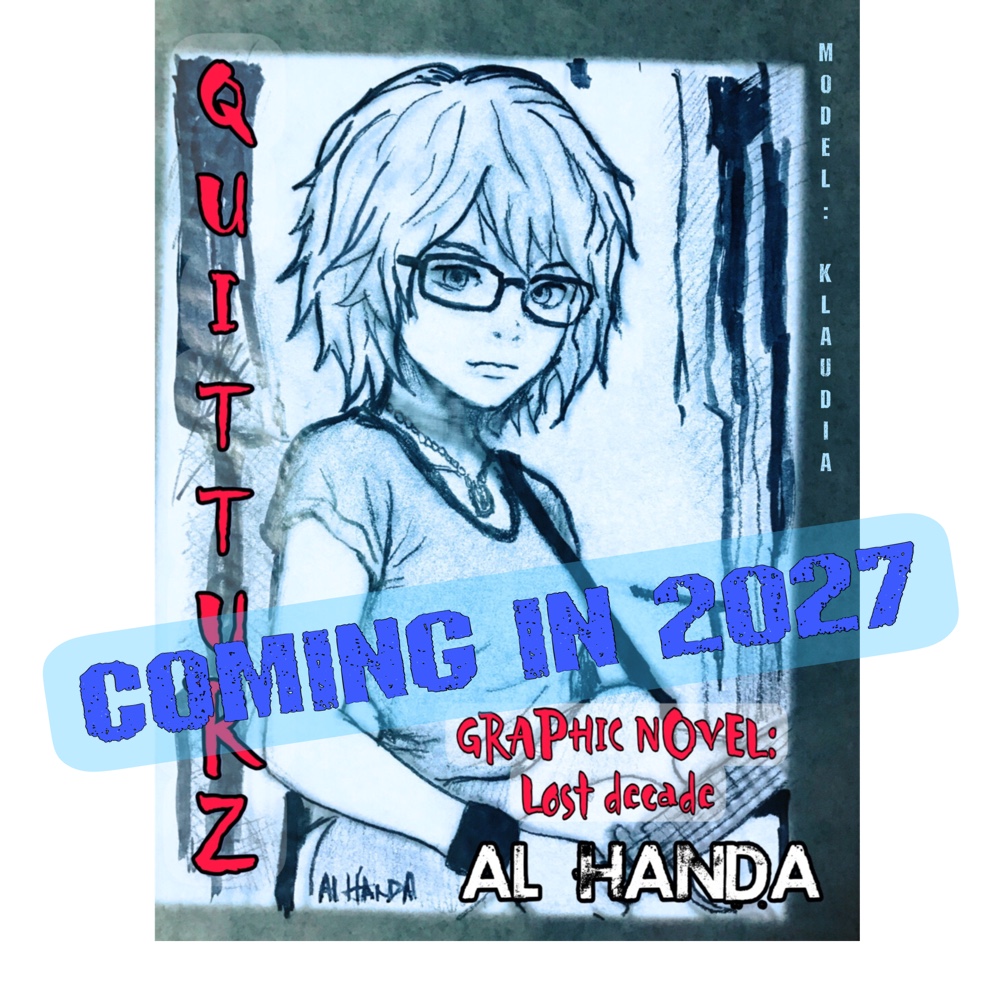
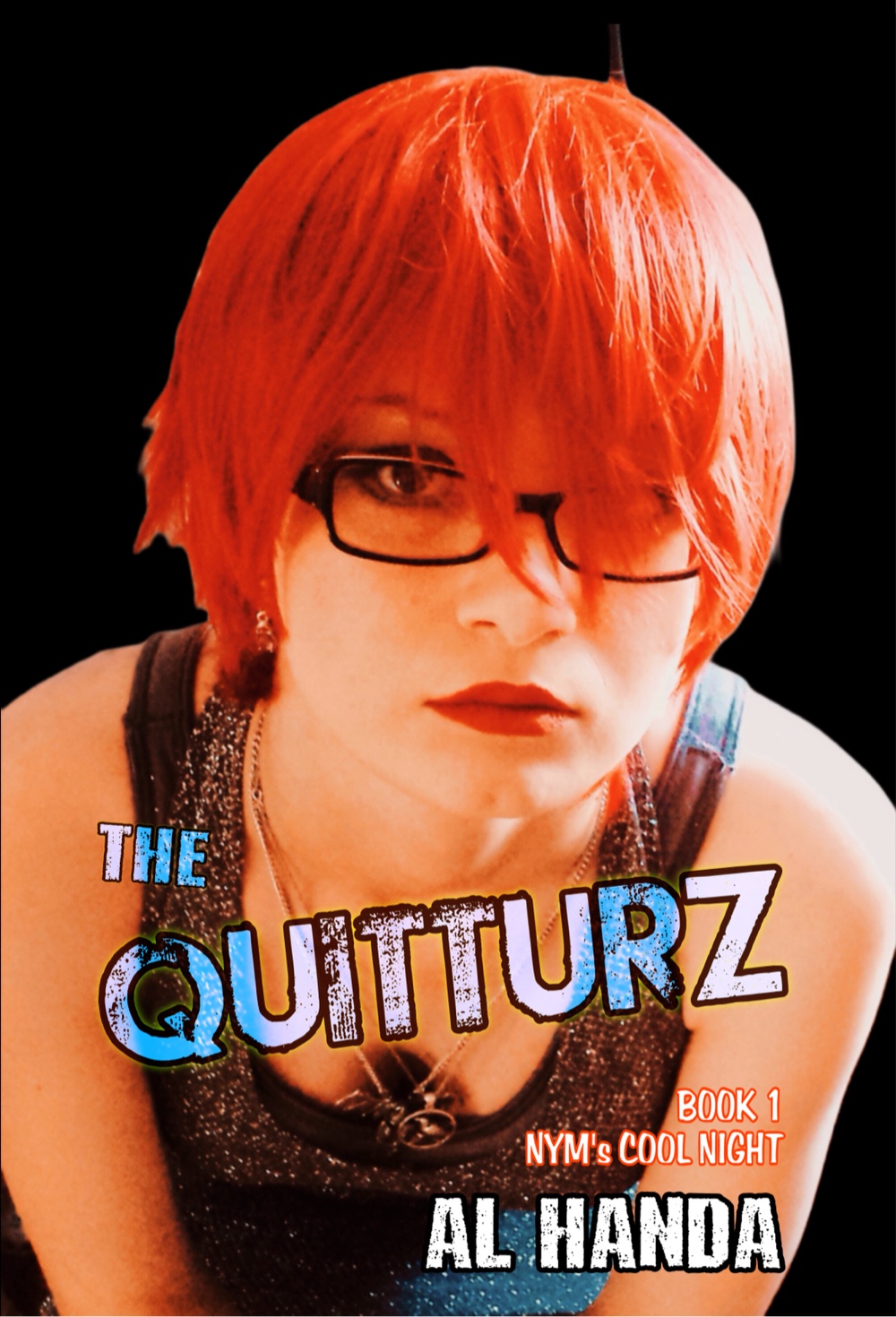
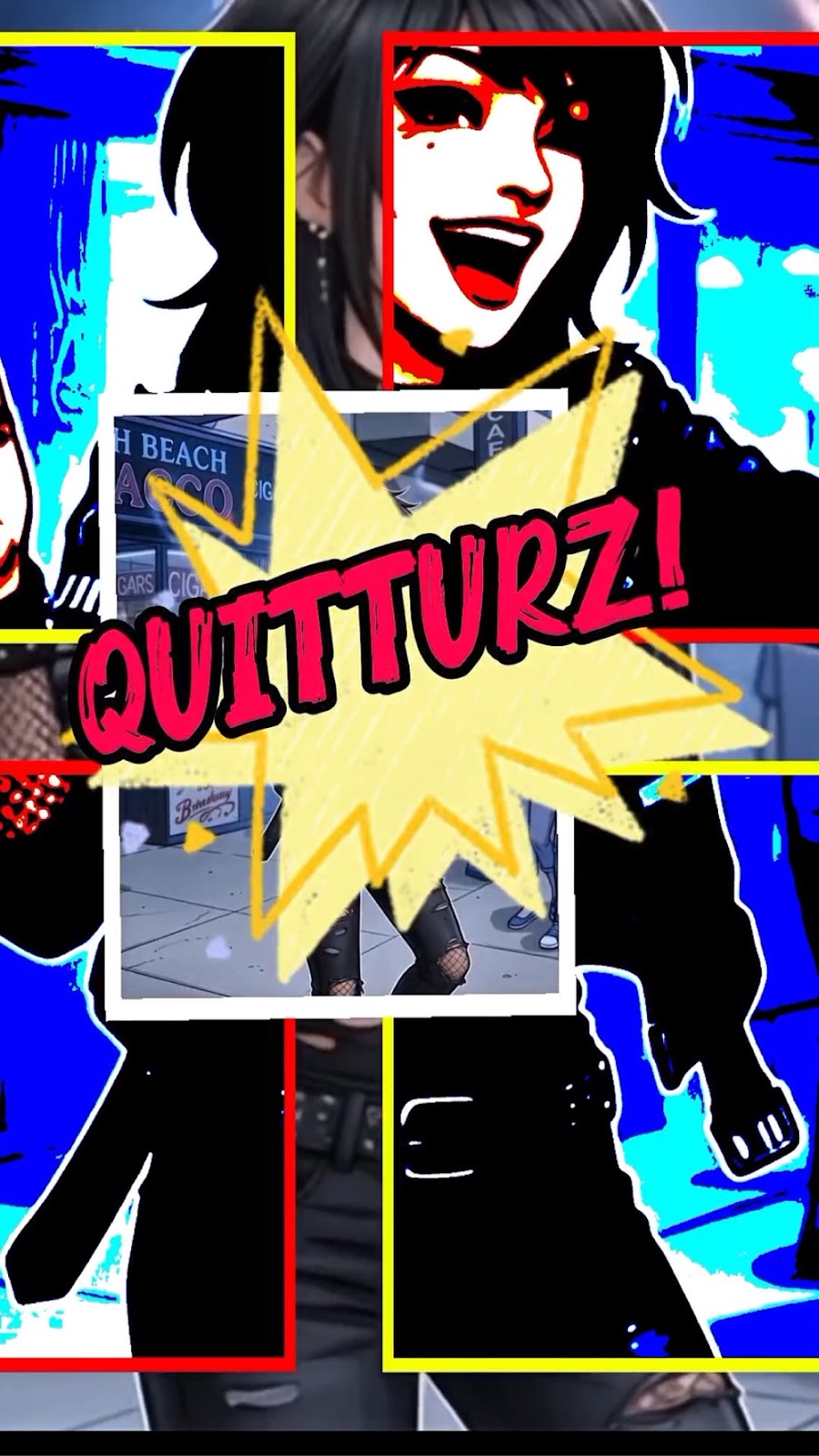
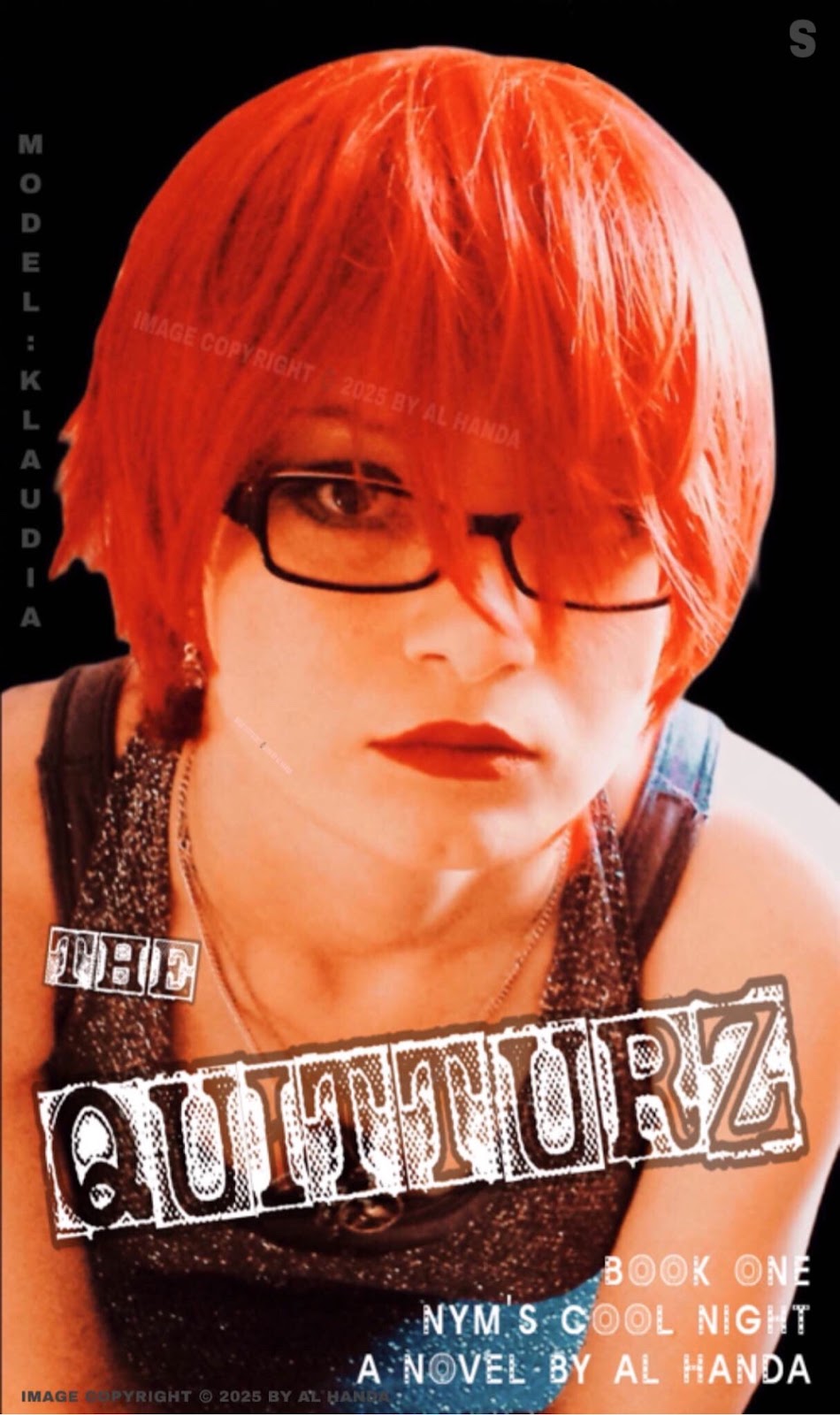
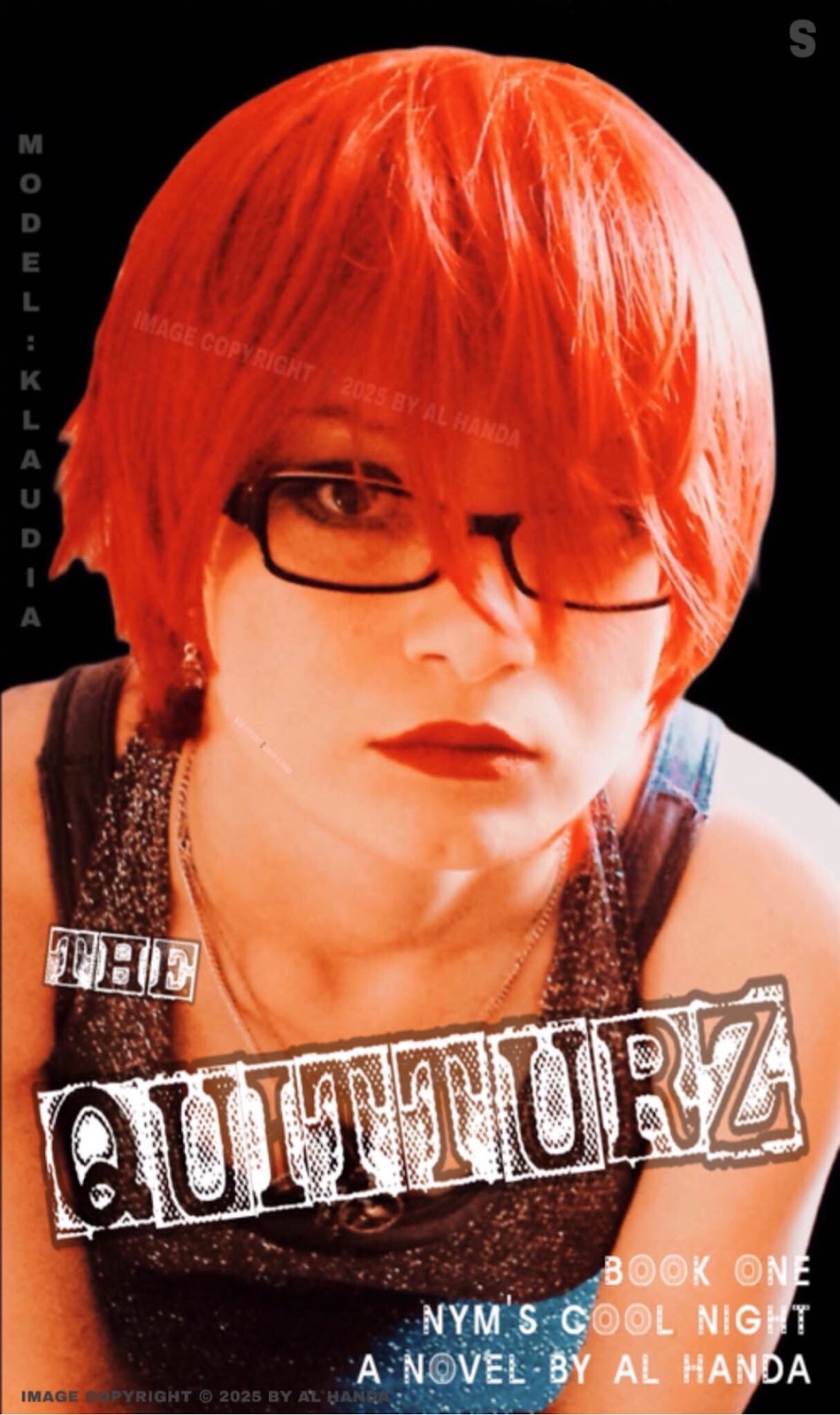
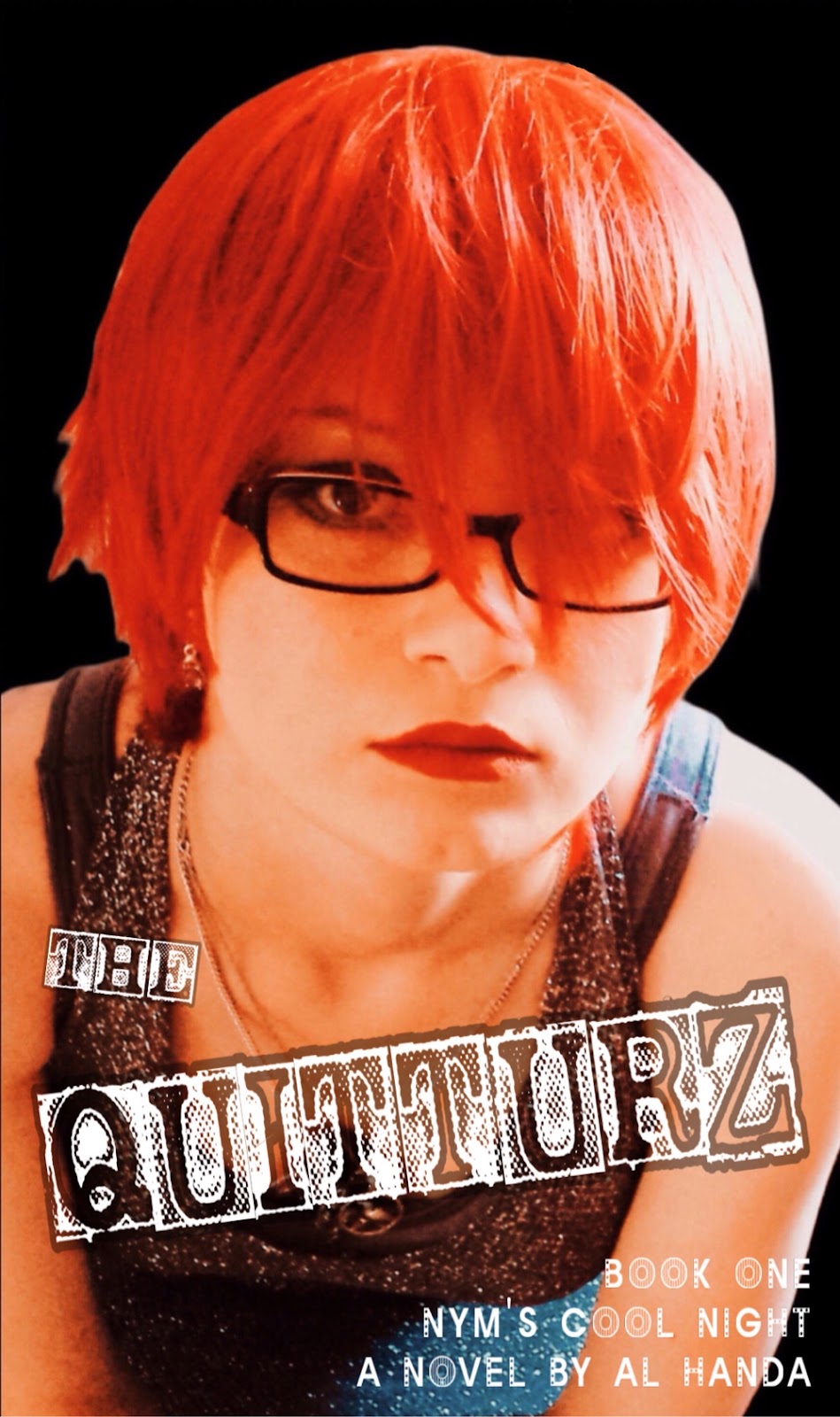
The Web comic is coming along. I've redone parts of the first 26 panels, mainly to improve continuity with the first Kindle novel cover, which features the model Klaudia. I want the graphic novel version to be a continuation of the first book, even if I have done the usual “Hollywood” thing and butchered parts of my own novel in order to avoid making the story too predictable for anyone who’s read the original book. 

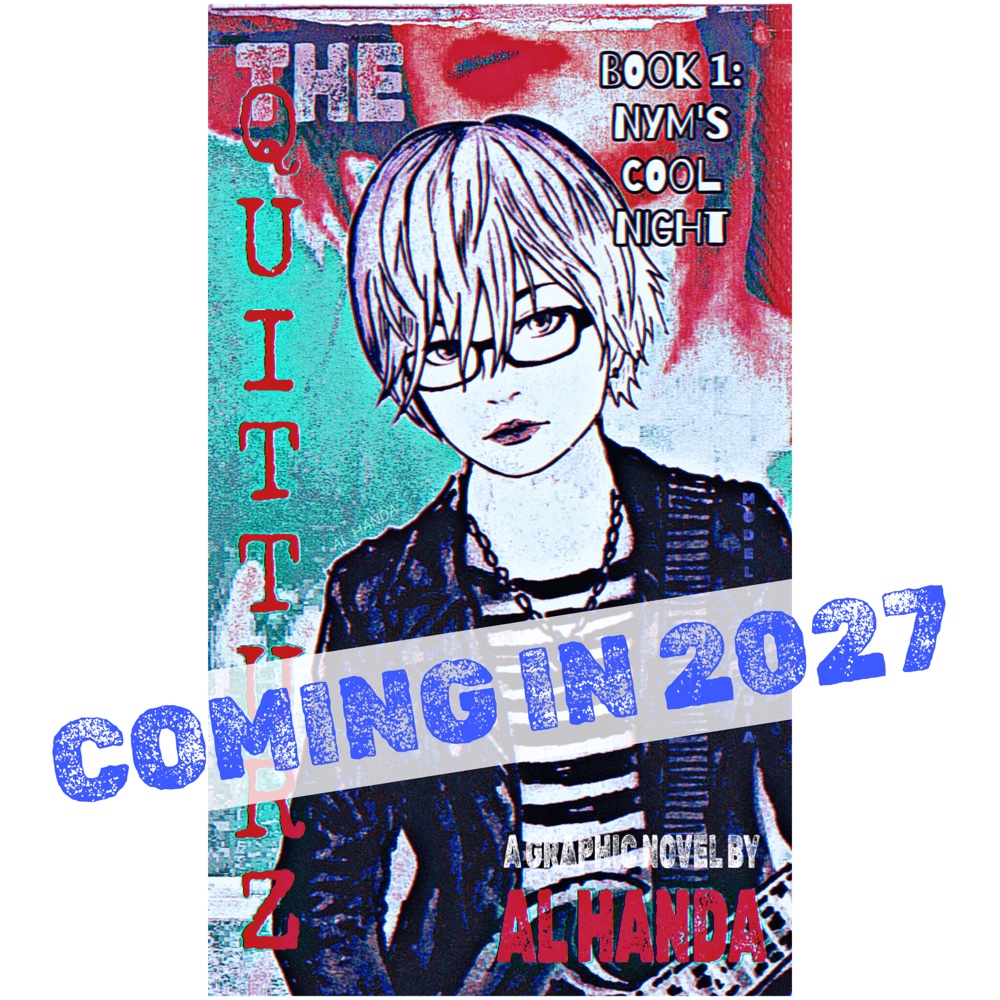
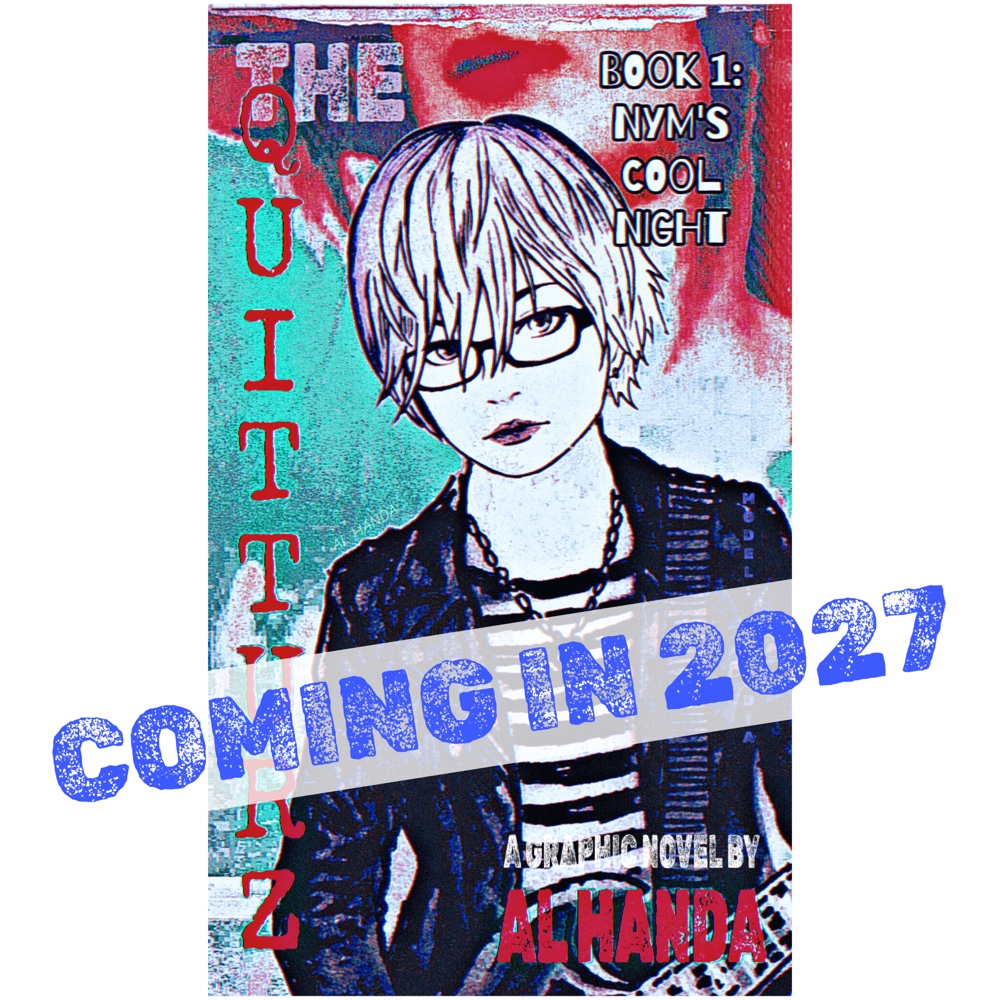
As you can see from the final webcomic cover, the main character looks the same as on the cover of the first novel. The two ebooks will have the same title, with one identified as a graphic novel. The reason is that the first part of the webcomic is going to reprise parts of the first book for continuity before moving into the 80s.

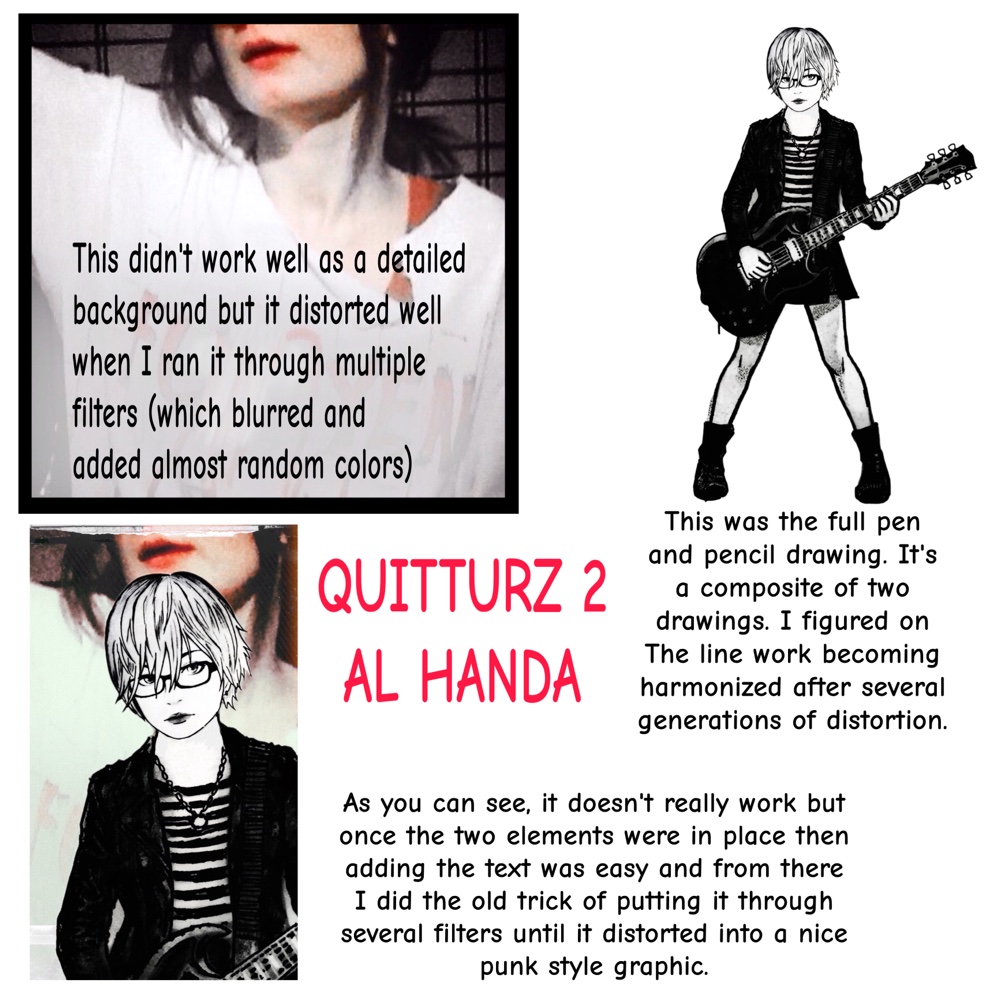
The construction of the cover is a pen and pencil drawing based on the Klaudia photo from the novel. I drew a full pose in case I wanted to use it again. The pieces were put on a sample sheet with comments like with the sample poster project, which is on the back burner until I’ve figured out whether I want the illustration to show the Quitturz headlining.

I'm planning to drop a week's worth of panels (or so) as a starter and then publish two or three times a week after. I’ll keep three weeks ahead of time, but don’t necessarily want to build up two or three months worth like they recommend on some sites. I’m doing this because I enjoyed doing serial fiction on Kindle Vella, so I want to enjoy the flexibility to evolve the plot on the fly in front of an audience.

True Godfathers of Punk: Punk Rock Short Takes

The short takes will cover a wider range because the Quitturz 2 graphic novel will also cover the 80s.

Punk is often about immortal moments and short statements that say it all. So, some of the series will be succinct short takes without filler or slop.

Dez Paul Cadena

This punk guitarist/vocalist was with Black Flag 1980-1983, Misfits 2001-2015, guest appearances or contributor with Redd Kross and Husker Du (Zen Arcade album) and recently with Jon Caspi and the First Gun.

What makes him a true godfather is his 1980 vocals with Black Flag, a combination of jock shout, hoarse blast and one of the funniest exaggerated punk voices to ever record that influenced later hard-core singers. His vocals in "Police Story" and "Six Pack" made him an 80s archetype and inspiration to all singers who only have a super loud-off knob.

Husker Du "Zen Arcade"

An early example of 1984 hard-core punk with real range, from acoustic to flat out electric. Songs like "Something I Learned Today," the haunting acoustic "Never Talking To You Again" and the hypnotic Bo Diddley meets the electric drone of "Hare Krishna" made this a rare double album with no filler that transcended its genre to become a rock classic on many top 100 lists of all time great albums.

Mitch Easter

Mitch has always been a good artist and in particular did some good work with the “Let’s Active” group but it’s his work as the early producer for groups like R.E.M. and Game Theory that’ll cement his contribution to the “power pop” and “jangle pop” styles that was such a big part of the highly influential 80s college circuit. He produced albums like R.E.M.’s “Chronic Town” and Game Theory’s “Lolita Nation” that are still on my playlists in 2026. In fact his 1988 song, “Forty Years” is still on my own personal top 100 songs of all time. 

Al Handa
Oct 17, 2026

#punk #newwave #postpunk #webcomic #AI #kindle #mitcheaster #huskerdu #blackflag #dezcadena #janglepop


Monday, September 21, 2026

Delta Snake Review: 70s Punk Poster and Cover Graphics - Part 1


Delta Snake Review: Sept. 21

70s Punk Poster and Cover Graphics - Part 1

Most late 70s punk posters and covers were essentially collages that looked slapdash but were more creative than it might have looked to the average person. The final work was generally done using a copier but in many cases as a “print ready” layout to a printer.

In other words, these punk posters were created by artists who had the imagination to visualize lo-fi graphic designs (dare I say, “scraped” from ransom notes, collages, pop art, etc) and create print ready layouts for wherever reproduction technology was available (or more specifically, affordable).

I was aware of print ready layouts for the offset printing process because in high school I was the school newspaper editor for two years; which is another way of saying, was like a retail store manager, who was the one willing to stay after school and finish most of the layouts.


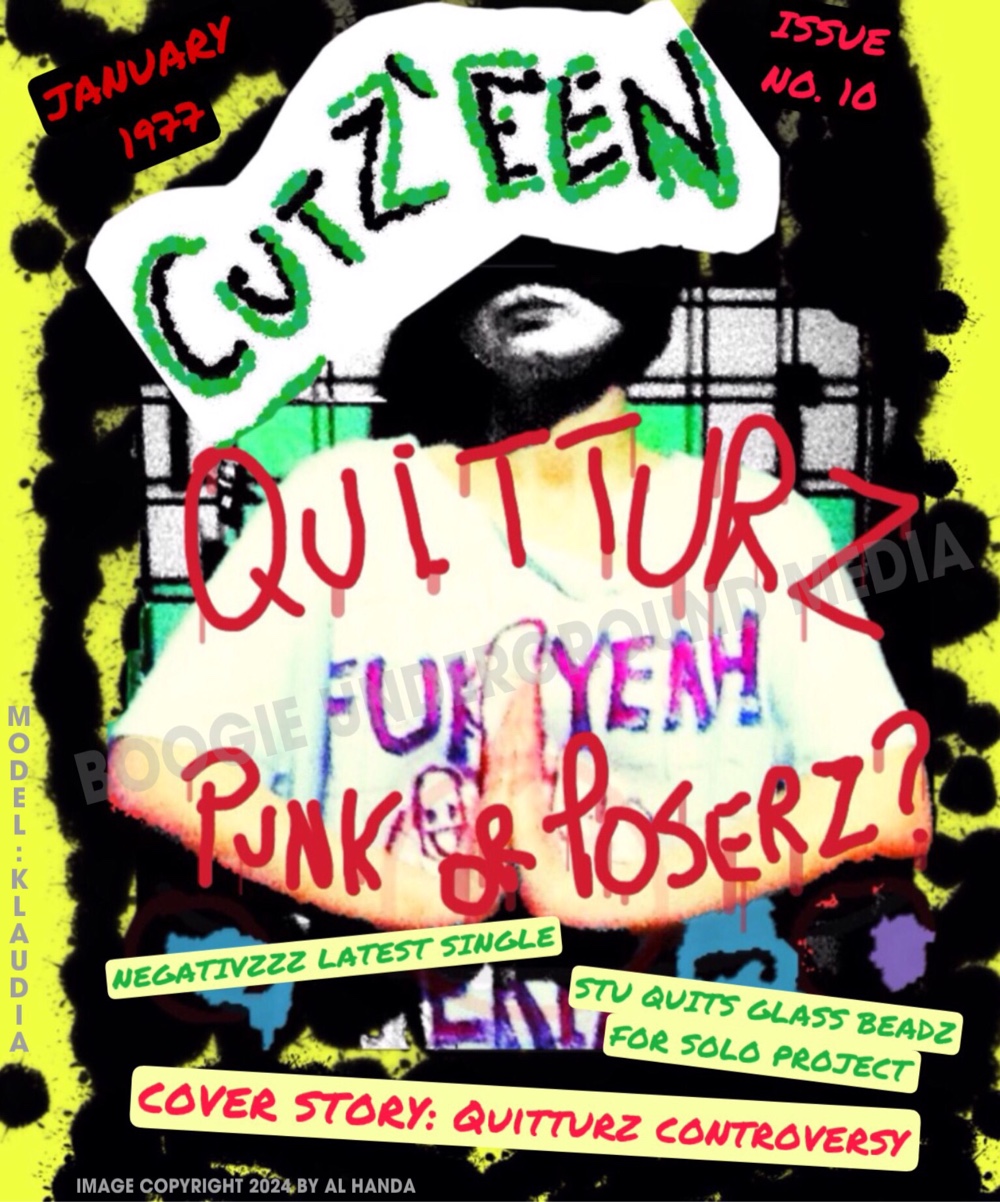
There were fictitious punk magazine covers and concert posters in The Quitturz Book 1: Nym’s Cool Night and although designed on digital programs, I was careful to do it pretty much the same way I would’ve done it in the 70s with a cut and paste style combination of hand drawn, offset and copy machine, lettering, and illustrations.


There are two of the illustrations (in addition to a book promo drawing) and will describe the process which would have been done by hand in the punk era.


The colorful one is probably the least realistic in terms of street art. It’s a magazine cover by a publication that could afford a color cover using offset printing (aka offset lithography) and staff skilled in creating layouts that were “print ready” for the process.


The coloring process would have been more complex; the artist would have used layers like a modern digital application except those would have been tracing paper (or clear film if you were a well off publication) with the entities for each color on its own sheet. In other words, all green shapes in one sheet, red lettering and stuff on another and so on.


That wasn’t hard to do in the 70s because much of the ink work for comic strips and other types of illustrations were done on tracing paper. It was a common skill. 


Somebody, or the artist, would create a pencil sketch, and then another person would come in and put in the ink lines on tracing paper and the additional layers for color, etc. The artist would  often do all these stages, of course, but in big-time strips, there were often people who did the lettering, inking, etc.


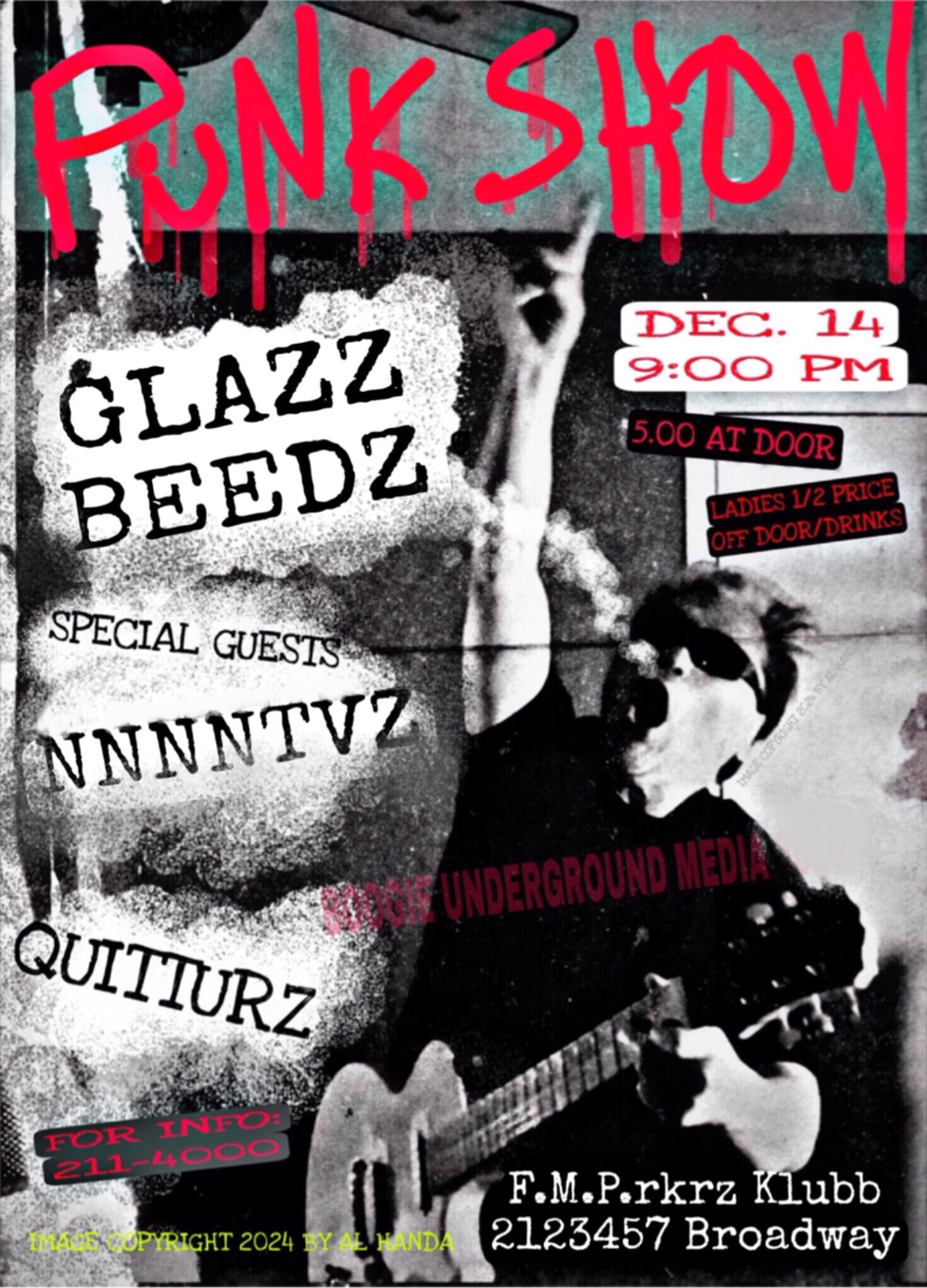
The club concert poster was simpler; I simply reproduced a cutout of a photo of a punk rocker (in this case, me) and digitally pasted that into a white sheet and then added the mainly freehand looking lettering.


I took artistic liberty with the top caption which was done in a spray paint font, which I probably would’ve done in a commercial setting if working on a larger commercial poster size layout with an airbrush.


The first Quitturz book has illustrations that are a small historical survey of 70s punk and rock graphics from magazine covers to a fake satirical county fair poster.


In part 2, I’ll show the pieces of a punk poster being made for the graphic novel which I’m actually going to print out and cut and paste together for authenticity (and for fun). I’ll also talk a bit about why punks used the DIY approach.


Al Handa 

Sept. 22, 2026


#punk #graphicnovel #manga #alternative #illustration


Sunday, July 19, 2026

Article: True Godfathers Of Punk: Part 6 - The Knack


Article: True Godfathers Of Punk: Part 6 - The Knack 

Note: I'm moving towards writing these blog posts as think pieces rather than record reviews. People can go to music sites and hear all the cuts, so I'll stress providing context. 

I'm going to devote a few parts to artists who may not be considered Godfathers of Punk but, in retrospect, had a large or even profound influence on the "movement." The Knack had one of the biggest hits of the year, "My Sharona," which caused an often contentious debate among Punk fans and critics over their validity (and commercial success) but did a lot to keep Punk an active subject in the media.

I remember the Punk band I was in was told before our first gig that no one knew what was good yet, so as long as the audience had a strong reaction of love or hate and wasn't indifferent, we'd be brought back. The Knack was a band that no one was indifferent about in the Punk Scene.

In the late 70s, the average person didn't have much say in the direction of music except for buying records (and concert tickets). Artists and labels preferred that people bought a whole album on faith after reading a review and hearing a sample or two on the radio. There was virtually no recourse if the buyer found that the album sucked. That made a critic's opinion important. A review was generally the first hopefully knowledgeable opinion a person got about a particular record. 

There was another area where critics had a great deal of influence, which was helping to introduce a new artist or genre. One such genre was Punk. Punk was dismissed at first by many of the Boomer artists who normally would have supported it, at least in the 60s when they were younger. The main reason is probably that their defiance was directed at the music industry and the rock and roll rebels who had started to settle into the role of decadent sages and lovable millionaires. 

So the enthusiasm for Punk initially came from smaller scenes and was publicized by music writers and fabs who sometimes lapsed into snobbery and gatekeeping.

One of the earliest questions that virtually all of the first wave of artists had to deal with was whether or not they were Punk or Punk enough. One of the most famous examples was the Knack out of Southern California which formed in 1978. They were not only criticized for being too pop but for committing the unforgivable sin of having a major hit record in 1979 despite open disapproval from the newly formed Punk elite and critics. 

The Knack's success did help the Punk movement. Like more than a few artists at the time, like the Cars or Blondie, they weren't actually that "pure" but their hits did help create wider acceptance by the rock audience. The Knack's two big hits, "My Sharona" and "Good Girls Don't," had one other effect; helping to prove the viability of  Punk, aka New Wave. That gave talented groups like the Go Go's and others a path to success that wouldn't have existed if Punk had been limited to what became "Hardcore." 

Their first album in 1979 was a best seller thanks to the hit singles and was a nice collection of guitar-based New Wave. My personal favorites were two other cuts, "Your Number Or Your Name" and a cover of Buddy Holly's "Heartbeat." 

The Knack may never be seen as a true Godfather since nostalgia makes Punk now seem more pure than it was back in 1977. But that's only if you think Punk was an ideological movement. It was simply a new generation of musicians who wanted their music heard, and groups like The Knack were instrumental in achieving that. 

Plus, if "My Sharona" truly offended the purists, then maybe they were offensive and outrageous Punks after all. Of course, in 2024, we're all past that. Getting butt hurt over impure music is a young man's game. 

- Al Handa  
  Oct 13, 2024 


Saturday, July 18, 2026

Article: True Godfathers Of Punk: Part 5 - Siouxsie And The Banshees


True Godfathers Of Punk: Part 5 - Siouxsie And The Banshees

I was reading a music article and the writer (if a human being) made an interesting statement. He said a person could get a mohawk haircut and leather jacket and become a Punk Rocker. That statement told me that the writer was younger (than me) and was getting information about the punk era from second and third hand articles that had stereotyped Punkers.

The reason I say that the writer's sources were second or third hand is simple; just look at original pictures of punk rockers and artists in the '70s, not just the later hardcore types but the actual first wave artists and you'll find that virtually none of them wore a mohawk. Rock and Roll may live forever, but haircuts and clothes rarely do. That's certainly goes for mohawks which never look good on an old fogey.

Treating Punk music as nostalgia or Golden Oldies is understandable as it all happened almost 50 years ago, but that wouldn't be an entirely accurate attitude. Many of the first wave artists had an effect on music that continues to this day.

One of those artists was Siouxsie Sioux of “Siouxsie and the Banshees.”

Siouxsie And The Banshees began recording in 1978, which is more the start of the Post Punk and Alternative era, but the singer Siouxsie Sioux was among the first wave in terms of being a fan and live musician. She was one of the small group of fans who followed the Sex Pistols before they recorded, which included later stars like Billy idol and Joe Strummer of the Clash. Her first live performance was with an impromptu band at a festival which included Sid Vicious as the drummer.

The band was critically acclaimed from the start and recorded a string of albums that were cited as influences on bands stretching into the 90s. Listing the bands and artists who admired or were influenced by her would take up the entire blog entry. A short list would include Joy Division, Depeche Mode, Cure, Smiths (and by extension Johnny Marr and Morrissey), Radiohead, Jeff Buckley, PJ Harvey, LCD Sound System and Sinead O' Connor.

One reason their music has what one could call a timeless quality was that, like a lot of the best first wave artists, they moved quickly into their own unique style which didn't include using the late 70s and early 80s electronic drum sound that dates most music from that period. The other is that the style that they helped pioneer, that dark Goth sound, is still current and loved by a dedicated subculture of fans.

Siouxsie and the Banshees created dark, gothic style music with an impressive range of rhythms and textures. In other words, for a music fan looking for powerful yet complex music, this band would be right up their alley. 

Their first few albums were quite good, particularly with their innovative arrangements of old Beatle numbers like "Dear Prudence." They deconstructed that classic and reinterpreted it in a way that's still being done by other artists who were influenced by them. However, for me, the album that really caught my attention was "Juju," their fourth album. The opening cut, "Spellbound," was a spectacular number that moves through a lot of changes in texture and rhythm but still drives hard like rock and roll. Only the best bands can do that.

Another excellent album, which I have to mention, and some of you might even know it, is "Peep show," with its cool hit, "Peek a Boo." The remarkable thing about that
album is its done in their style but sounds completely different from earlier albums like Juju. They were not a band it sounded the same all the time. 

I recommend checking out this band on your favorite music service to discover why this band is so esteemed and influential.

Al Handa
September 2024


Article: True Godfathers of Punk Part 4: Tom Petty and The Heartbreakers


The True Godfathers of Punk Part 4: Tom Petty and The Heartbreakers

One label that made the rounds at the Mabuhay Gardens (and the Music Press) in San Francisco to describe posers was "Plastic Punks.” The term now has a modern meaning denoting a band or artist who attempts to emulate the 70s punks and falls short. Although, in fairness, it's not clear who has the authority or cachet to apply that label on others, particularly older Punk fans applying that term to younger bands. That sort of judgment smacks of old farts crabbing about the good old days.

The definition of what a punk was in dispute in 1977, though I should add that much of that debate was over points that now seem now elitist or quasi-religious. The Punk term was quickly superseded by "New Wave" probably because many of the First Wave felt the music was more about attitude (and the desire to distance themselves from the fashion craze that immediately sprung up, which included ripped t-shirts, safety pins, and spiked hair).

One of the Bands who identified as New Wave, although that's not mentioned in many of their later biographies (by writers, not them) was Tom Petty and the Heartbreakers. They were never labeled as Plastic Punks because they were actually part of the first wave. In fact, they even played at CBGB's in New York along with Patti Smith and others. Also in interviews, Petty made no secret of his sympathy for Punk sensibilities. If you Google it, it's well documented.

Although Tom Petty and the Heartbreakers quickly moved towards the mainstream by their third album, their first album in 1976 was promoted as part of the New Wave and it's still my favorite Tom Petty album.

The record was important because it produced two of the first breakthrough hits for the new genre, which was of course, "Breakdown" and "American Girl." Both hardly need explanation, and we now live in an era where one can just check a cut out on a streaming service. So, if you don't know either song, definitely go and check the two cuts out (and I'll spare you the usual hosanna-wowza AI generated rock critic description gleaned from press releases).

They went on to mainstream success with their third album, "Damn the Torpedoes," but I still find the first the freshest. It brings up a lot of good memories because it's the Petty album I listened to most at the time.

My personal favorites are "Hometown Blues" and "Anything That's Rock and Roll." The former is a catchy, medium tempo, country rock song I still keep on my iPod and playlists. The latter is similar to Eric Carmen's "That's Rock and Roll," both being unpretentious stripped-down anthems that didn't need to be played at high volume to move the spirit (though, cranking it up adds to the experience).

A few decades down the line it's obvious that Punk evolved into several sub-genres. In other words, there is really no one single Punk image or sensibility that defines the movement. I think the best description is that "Every generation," as the Rock great Todd Rundgren once said, "rediscovers rock and roll." Punk was just part of the usual music cycle where the next younger generation discovers rock and roll and finds a way to blow past the Gatekeepers protecting the interests of the previous rebels who've become chonky cats.

The music business is once again centered around big stars, huge spectacles and expensive seats; it's about time for another Punk Movement.

- Al Handa

   April 1, 2024