

The Delta Snake Review

The Delta Snake Review

Translate

Showing posts with label review. Show all posts

Sunday, June 16, 2024

The Delta Snake Review: February 2024 Anthology


FEBRUARY 2024 COMPILATION ISSUE

Note: All material by Al Handa unless otherwise noted. Contents copyright 2024 by Al Handa. All rights reserved.

IN THIS ISSUE:

The Quitturz Preview: Parts 1-3
A.I. And Art: Part 4 - Some Thoughts About Scraping
Boogie Underground Preparedness Primer: Part 1
How To Find The Perfect Headphones: Parts 2-3


The Quitturz Preview: Parts 1-3

The eBook version of "The Quitturz" will be published in December and it won't be a straight compilation of the current Vella episodes.

The most obvious change is the title. The Vella serial is called "The Quitters," which is a good title, but music groups and other organizations already use it. I figured it was best to change the spelling, and the new title better reflects the 70s Punk sensibility.

There are two significant changes: the chapters have been resequenced, and a parallel story has been inserted.

The Quitters is my best-selling Vella book and works well as serial fiction. Most of that genre's audience reads the story in parts on mobile devices, so using "cliffhangers" to keep them coming back is essential. That doesn't work as well in a regular book (in my opinion).

...a good analogy...

A good analogy about serials and eBooks would be TV shows and movies. A situation comedy or drama generally gives the audience a situation and resolves it in half an hour to an hour. A movie builds the story over a more extended period.

Remember that I'm talking generally; artists always break those rules with great, mediocre, or disastrous results.

...the book...

In the case of The Quitturz, the book starts before the group's first gig. However, I've always felt that episode 4 should have been the book opener as it fully introduces the main character and a few others important to the story.

Also, I introduce a parallel story, a common literary (and cinema) device. Audiences are familiar with the approach, and it's a good way to add some historical context.

The secondary plot, or thread, is introduced in a prologue. The original story outline written in 2021 included characters in the English and NYC Punk scene to make the book about the whole movement.

The problem with the current body of writing on 70s Punk is that it's growing but still oriented towards stars, and most of the details are glamorized or shrouded in mythology. It’d be easy to cite facts that are controversial.

History tends to move slowly towards truth. An event like Custer's Last Stand at the Battle Of Little Big Horn took over a hundred years to understand, and even today, it's not precisely clear how Custer died there.

Even almost fifty years later, much of what you read about the Punk movement is press release quality and fan mythology. The Punk music scene was a combination of groundbreaking artists, poseurs, and industry prospects and pros inserted into the mix to take advantage of the new trend. It'll take a while to sort out what really happened.

My point is that I don't want discussions about how accurate any historical facts are in the book to detract from the story.

I decided it'd be more interesting if the substory was about events in 1987. The prologue depicts the moment Nym finally has another hit after ten years of being called a one-hit-wonder. The story then cuts back to 1977 and intends to show how Nym changed and the Punk scene as a w

By 1987, new musicians had emerged with different artistic sensibilities than the first generation of Punks. 

One of the most profound technological changes was the availability of inexpensive but capable electronic keyboards like the Casios in the early 80s. Serious piano and synth players scoffed, but it put what turned out to be a significant musical instrument in the hands of thousands of young musicians who ended up being part of the 80s music scene.

What happened in the 80s wasn't unique; new, or more specifically, cheaper technology has always changed music. Inexpensive catalog guitars had a profound effect on the 20s Blues scene.

I'll talk more about how technology affected the original Punk movement in the next part.

Part 2: How Technology Changed Punk And Book Notes

I should note that I've oversimplified the historical aspect to give a quick background on how changing Technology affected the main character in the Quitturz book.

Technology wasn't the only factor that changed Punk. The music would have evolved anyway, as it was already splintering into different categories. 

Kids were learning electronic keyboards and other instruments while all this happened in '77, and there were some Pioneers. Early Punk bands such as Wire had already begun moving into electronic music, and electronic drums and percussion were already in the mainstream.

I won't go deep into musicology because I just want to show what my thinking was at the time in '77 and how the rise of techno music struck me.

One other thing that was part of techno was Disco, or more specifically, dance music. That may seem like a weird observation, but at the time, a lot of early techno was dance music, and it was seen as an extension of Disco, which was good or bad, depending on your point of view.

The history of techno gets complicated at this point as different genres evolved, like Rave music, etc., and of course, it is a vibrant scene with EDM and other styles.

The main thing to know is that 80s music became dominated by keyboard players who cut their teeth on inexpensive Casios and Yamahas, and drum machines became affordable. The music didn't come out of nowhere.

Electronic drum machines were first used in rock and soul in the 70s. Sly Stone was the first to have a #1 hit with "Family Affair," but Krautrock group, Can, Miles Davis and Pink Floyd also incorporated the sound.

One thing that changed the course of New Wave music was the Link LM-1 in 1980, which used digital samples used by groups like the Human League, Devo, Gary Numan, and Ric Ocasek.

After that, more models came out from Yamaha, and the now legendary failure turned success, the Roland Tr-808, which used analog instead of samples and was derided as unrealistic sounding. That didn't stop artists like Marvin Gaye from using it in "Sexual Healing" and groups like Africa Bambaataa (and early hip hop).

What made it so pervasive and influential was the unit became cheap and available after its commercial failure. The Fender Jazzmaster guitar became popular with New Wave bands for the same reason; it was a commercial failure, so many young artists could get a Fender quality guitar cheap in pawnshops and the used market.

The ten-year gap between Nym's hits is so the parallel story can cover changes in the 80s. I won't make Nym's story a decade-long pit of despair; no one survives that long without hope. There'll be a lot of ups and downs, a lot of near misses. 

Also, the book can examine the natural, deep appeal of playing music for a living, even in the face of adversity. Hopefully, it's a tale that anyone can relate to. The overwhelming majority of artists won't become famous, after all, and in reading about Nym's struggle and eventual triumph, one will see that there's a deeper reason a person chooses to create.

That concept is nothing new, the book will simply be my take on it.

Part 3: What is a “Godfather Of Punk”?

We’ve all heard the term, and after over almost fifty years it's taken its rightful place in the Pantheon of cool marketing buzzwords along side of “Legendary” and “Vinyl.”

In the early days of Punk rock, most of the established Rock stars were either bewildered or contemptuous of this new music, though the healing effects of time have made the term Godfather of Punk a suitable laurel to wear in the noble quest to sell back catalogues to the Tik Tok generation and vinyl nostalgics.

I won't name examples of this benign hypocrisy, as we should be kind to those who suffered an onset of geriatric resentment over the tasteless lack of respect exhibited by certain Punk upstarts who I also won't name. 

I mean, after 47 years, who cares?

Well, I guess, this author does, as he has a book based on the 1977 Punk Movement coming out in early 2025, and his best selling Vella serial is about a musician from that time.

Also, there was a time when the main route to stardom was through the media. There were no streaming sites where an artist could go directly to distribution, or an Internet where one could give themselves any title they liked. There was a time in the 70s where having the media call you a Godfather, Legend or even a competent musician made a marketing difference.

So, let's examine the origins of the term Godfather Of Punk. The first question would be, what is a Godfather of Punk?

If you Google it, the answer could be confusing as an unscientific count would put the number of those holding the title at around 1,234,567, give or take.

A Frenchman once said during the American Revolution that there were so many Colonels that it was safe to address any unknown Officer by that rank. So it is with the Godfather of Punk Term; let's just assume that in marketing terms, everybody is one until the threshold for factual accuracy on the Internet reaches 5%.

For the sake of modesty, I exclude myself as one of the horde of Punk Progenitors. My career as a Punk Rocker was even shorter than the Sex Pistols, though longer than Linda Ronstadt or Tom Petty, both of whom sensibly adopted and discarded the moniker for as brief a time as possible.

In the 1977 San Francisco scene, in the Mabuhay Gardens, Iggy Pop was the one everybody talked about the most for his music and as an inspiration. The two songs that were often played over the PA before and after shows were “I Wanna Be Your Dog,” and “Lust For Life.” I Wasn't there 24/7 so I’m talking about what I heard.

If you read articles written back then about Punk, the main thing is that it was an attitude. Sure, there was the ripped T-shirts (yeah, I wore one when playing), spiked hair (guilty) and cool sunglasses (I still hate the d-weed who stole my cool retro shades off my amp), but if you look at a list of first generation bands, most didn’t look like that.

That smarty mouth Punk attitude was, not surprisingly, a pose. I remember being instructed by my band leader to never smile and act like a jerk whenever a camera was present. Even the rock press knew this, but went along because it was more fun than taking pictures of “smiling happy people” or conducting interviews about music being about Love or other concepts that got in the way of the primary business of selling records.

So, going back earlier? There were rebellious acts in the early 70s, but who truly shocked people and caused widespread disgust and fervent cult adoration? 

Certainly you’d have to say David Bowie, I'm not sure there was anyone close to being as outre in the mid-70s. Even the Revolution Now 60s crowd was weirded out, though we now know it was because the Love Generation were closet sexists whose latent manhood were threatened by this suggestive and sexual ambivalent English Dandy. [Citation needed; the blogger’s account is suspect as he claims to actually remember that time as opposed to being in a drug or alcohol haze]

David Bowie’s music and act had one key message that resonated with Punks; that you be anything and create your own look. That wasn’t a unique point of view, every generation went through a stage of challenging convention.

On a personal level, the band that opened the door to the future was Roxy Music in the early 70s. Seeing them live began the process where by 1977 I actively sought out Punk music. It was at a show at Winterland; Roxy was the opener. It was their first SF appearance and the band still has Brian Eno as the synth/keyboard player. After that, my musical palette widened.

I’ll go deeper into Roxy and the Glam Rock era in Part 4. The March 2023 Delta Snake Review has an article about the Top Ten Glam Rock albums that will be of interest also.



A.I. And Art: Part 4 - Some Thoughts About Scraping

One of the main concerns about A.I. is "scraping," which, for humans, is a legal activity unless the acquired knowledge is used to create works that violate copyright laws or steal intellectual property.

The objections overlook one fact that people scrape all the time, and while much of it is legal, such as creating derivative works, some isn't, like plagiarizing original works or tech piracy of electronic media 

If I take a Devil's Advocate position, the amount of thievery, uh, I mean scraping, that occurs in the Entertainment World would land thousands of people in jail if it were any other industry.

Theft or unauthorized use of copyrighted material is common practice at the street level or not seen as harmful by many in the real world.

For example, without permission, many "creators" on a particular social media site routinely use commercial music, images, voices, movie excerpts, and media footage in their videos. This practice is considered acceptable because it seems like a common practice, or OK if people add a disclaimer stating that they don't own the rights.

My point isn't that people are evil or immoral. If an A.I. Bot is doing unauthorized or unethical scraping, it's always at the direction of a human who thinks it's OK. The notion that the Bot will steal on its own is just plausible deniability by its creator.

The fears or reality of intellectual property theft by technology didn't start with A.I. People worried that capable graphics programs like Photoshop would increase forgeries and deep fakes, and the music industry considered the inexpensive tape recorder an invitation to bootlegging. That harm did come to pass, but both weren't legislated out of existence because people believe the technology to have more benefit than harm.

It's also about access and availability to the tech. No one worried about the automobile until the inexpensive Ford Model T., which led to the demise of industries based on horse transportation. People are killed by automobiles every year, but the general consensus is that the good outweighs the bad.

Another way to put it is that Capitalism brings about change (and profits) that always cost some (or many) people their livelihoods. The process looks so brutal because, thanks to modern media and the Internet, we see the human suffering it causes.

Again, I'm not judging the morality of the process; it's just what happened historically.

The fact that we see all this controversy in the media is a good thing. Historically, a new technology is implemented as a fait accompli. In the old days, self-driving cars would have been kept on the streets, causing havoc. Instead, the widespread reports of media and Internet problems caused enough outcry to stop the public beta test, as recently happened in San Francisco.

A.I. is already here. The real issue is whether this new evolution will be as cruel a process as America's Westward Expansion in the 1800s or implemented responsibly.

Artists often have to overcome significant obstacles to create. Most will deal with problems with A.I. and, in most cases, harness its power. 

A.I. isn't a new God. Bots still need to be guided and educated by humans, so they'll only be as good or valuable as programmed.

One final note: The advent of Motor Cars didn't bring about the extinction of horses. Technology won't make true artists obsolete.


B.U. DISASTER PREPAREDNESS PRIMER: PART ONE 

BY IVY

Note: Reprint from a 2015 satiric article by the late Professor Ivy of Shitzu U. All of the facts in this article meet the most stringent 2023  Internet standards of inaccuracy.

There's been a lot of talk about economic crashes, the breakdown of society, civil unrest, Global Warming, giant meteors, and the final battle with Satan by at least two major religions.

Realistically, unless you own a tank, you're screwed, but B.U. Spokesdog begs to differ (dogs are always begging) and offers these easy-to-do tips to survive any disaster:

FOOD:

1. Keep an ample supply of food. 

Survivalist businesses offer expensive foods in high-end puncture-proof packages, but that's just another way American business makes you pay for packaging. 

Instead, use that money to buy a massive amount of canned beans. I mean cases of it. Ignore the fart jokes by those who'll be paying 50.00 for an apple from black marketers later on. Canned beans require no added water, which will be in short supply anyway, and any objections to a monotonous diet can be overcome by the same method people use on dogs and cats to force them to eat crappy dry cereal food:

Just don't eat for a week, and when you look around and see that there's no other food around and, McDonalds is closed due to societal breakdown and your money is worthless, then canned beans will taste like steak.

This method has worked on countless pissed-off dogs and cats, so if they can eat little brown nuggets that look like dry turds because some Vet says it's better for their teeth, then you can eat beans. Don't worry about your teeth; there won't be dentist offices anyway, most being looted for radioactive X-ray isotopes by terrorists to make dirty bombs.

2. Don't worry about water

Global Warming will melt the icecaps, flood most of the coastal areas, and provide heavily dilluted sea water, which will be safe to drink for at least a week before kidney failure. It will also be an excellent time to stock up on sushi with all the fish trapped inland.

In Part 2, Ivy will show you how to function without paper money or ATMs.

Disclaimer: Opinions expressed here are by a little white dog and reflect her opinions only and not those of B.U., X, Shih Tzu's in general, or God, which is dog spelled backwards.


How To Find The Perfect Headphones - Part 2

The thing to remember about earphones is that they simply deliver the sound from your device to your ears. It's a hardware device, so parts like the speakers, Bluetooth, wires, and ergonomics make a difference up to a certain point. However, headphones are mostly only as good as the device or sound system.

So, before spending a lot on earphones, consider what you will use as the music source. If it's mainly your cellphone, then it's not just about cost but also what type. 

Plus, there are intangibles. If a Beats or Apple set is what you want, it's simply a matter of getting the money for it. It'll generally sound great if it's a brand you like or is in style. The fact is, mojo is important.

Undoubtedly, different brands of the same type of headphones can sound different. That's due to both the choice of components and ergonomics. 

Ergonomics is important. The sound is improved if the headset is comfortable and sits on or in the ears correctly.

You can try an experiment with lighter headphones or buds. Play your music, cup your hands over your ears, and seal in the sound. You'll notice an increase in bass and volume. 

The best ergonomic design comfortably gets as much of the sound as possible into your ears. That's why most earbuds include two or three sets of different size ear pads to ensure a good fit.

You probably already know that stuff. I'm just covering it to ensure the next set of info makes sense.

If you're buying a lighter type like buds, bone conductors, or sports-type headphones for use on the phone, you'll probably buy within a budget. Most headphones in the 20.00 to 40.00 range will do fine for Spotify, Amazon, or Apple sites.

Those music sites stream mp3-level music or lossless (CD-type quality), and you can improve the sound by setting the app to the maximum rate of quality. 

Check if you have it set to max quality before buying new headphones. You may find that the improved sound makes it unnecessary to upgrade.

It may not be set to higher levels by default to save on data charges on your phone plan. I wouldn't set it to maximum quality unless you have an unlimited data plan. If you're using wifi, then that's not a problem.

You have two choices if you're playing MP3 files on your phone and want it to sound better. 

Get an mp3 player (best to get one in the 40.00 to 60.00 range and with a touch screen). Even a relatively inexpensive player can outperform many phones. You may find your earphones sound better using a decent-quality mp3 unit.

The other choice is downloading a sound equalizer like Poweramp or Audify and learning to use it. An equalizer is much less complicated than a video game. I'm used to those, so it's easy to say, but Poweramp, for example, has presets that emulate various headphone brands like Sony. You can adjust the tone with simple dials or go Rambo and use the parametric equalizer.  

This type of software is pretty cheap, too, and lets you create playlists, etc. The experience is pretty similar to an iPod.

So, if you've done all that (or don't want to bother with it) and still want to upgrade your headphones or get a type better suited to your lifestyle, then you'll want to read Part 3.

I'll cover the various types, from sports types, bone conducting, lightweights that cover or cup your ear, buds, studio, and so on. I've used all of those and can give you an accurate survey of what's available.

How To Find The Perfect Earphones - Part 3

It would require a small book to cover the types of headphones available now fully. It's not like the 70s or 80s, where there might have been a half dozen types if that.

I won't make the usual lists of every type, one for each price range or comparisons of brands. There are plenty of those online; most are only marginally beneficial to the average consumer. Most of the real-world factors are subjective or based on ergonomics.

Besides, I'm sure most of you have realized that this series is more about how to listen to music than hardware. Hardware quality gets more vital as you get into the higher priced stuff and in the recording studio, but not for leisure use.

If you want the best sound, just get the best-wired set in the desired price range.

The perfect set will have good ergonomics and decent sound for the environment (in which it'll be used). Where you'll be listening will determine what type to get.

I'll list by environment as much as by type.

If it will stay plugged in, like when sitting, get a good wired set for gaming and music. For audiobooks, same thing. Once you start moving indoors or out, then there are various alternatives.

Ear Buds:

There are different types, but I'm talking about the small ones that fit snugly in each ear (sometimes called true wireless) or are connected by a thin cable with a small controller with the on/off button, volume control, etc.

Those have wires, but "wireless" means no cable connecting it to the device.

Bluetooth buds deliver good sound if fitted correctly but can have reception problems depending on quality and compatibility with the device, which is generally a phone or mp3 player.

If the fit isn't perfect, you will have less sound, notably bass, and the buds will move about or fall out of your ear. That can be a big deal if that happens on a hike, at a job site, or while riding a bike or skating.

I quit using this type after having to backtrack once too often to find one on a trail. Plus, if I'm going through the trouble of listening to music outdoors, things like cutting out degrade the experience (for me).

I have two sets like that but prefer the older types connected by wire. Those have better Bluetooth reception (generally), and I prefer the controls to be easy to reach on the cable than messing with tiny buttons on the buds.

Since fit affects sound and comfort, most manufacturers include different-sized ear pads. If you read online articles about fits, the advice can be contradictory. Some advise a deep fit, etc., but the main thing is to ensure a tight fit. 

That tight fit is essential, but it does affect ergonomics. The buds can become uncomfortable after a while. It all depends on your ears, of course.

The advantages are super lightweight, immersive music experience, and easy storage.

The disadvantages include lack of awareness of the environment due to immersion, more chance of ear damage due to volume, and poor ergonomics (one of my ears can't securely hold a bud unless it's twisted in).

Sound quality is relative if there's noise in the environment. Your hearing will also degrade (usually temporarily) after listening for a while due to volume. That's why DJs playing vinyl discs will change the needle cartridge from cheap to high grade over an evening to compensate.

Ear Buds are generally part of the "sports" category, including various lightweight designs, from bone-conducting, helmet or hat speakers to extra light types similar to the 80s Walkman style.

The main things that sports headphones have in common are some level of waterproofing to protect against rain or sweat, extra neck or ear clips to prevent falling off, and other safety features.

It's the most diverse and interesting of the categories. Being the gadget geek, I've pretty much tried them all. I'll cover these in part 4.

- Al Handa


AVAILABLE ON ALL MUSIC SITES


Please check out and listen to my music on Spotify, YouTube, Apple Music and other music sites. Please add any cuts you like to your playlists!



AVAILABLE ON KINDLE UNLIMTED

Sunday, April 14, 2024

Review: 2013 Squier Vintage Modified Telecaster Special Electric

Review: 2013 Squier Vintage Modified Telecaster Special Electric

The Squier Vintage Modified Telecaster Special Electric, with a white blonde finish, is one of many variations that seemingly copy the almost endless variety of “frankenfenders” or “parts Fenders” that are as much as a part of the Fender landscape as the stock ones.

Unlike Gibsons, which tend to have only the pickups and metal hardware changed, Fenders tend to have necks, bodies, and all manner of things mixed and matched. Which was, in a way, Leo Fender's vision of an electric guitar anyway.

One of the things that Fender has been doing with its Squier line over the past few years is introducing a wide variety of variations on the classic Telecaster model. In this case, a pair of Duncan-designed pickups, with the neck one being a Jazzmaster pickup for an “extra smooth” sound.

The use of a Jazzmaster front pickup is really more of a marketing thing. The fact is, the Tele with its standard front pickup is often used for jazz already, so changing that pickup to another type for smooth sounds really doesn't change a whole lot. However, Jazzmasters and Jaguars are what the young players are using so it's a nice update to the design.

Another attraction is the Duncan-designed pickup. Seymour Duncan has a great reputation as one of the best boutique pickup makers, and a bridge pickup designed by him would be better than the standard stock pickup by Fender (at least in the Squire line).

Technically, that is. One has to keep in mind that this is a 300.00 guitar, and while Duncan may have designed the pickup, it was actually manufactured overseas. It sounds pretty good, but put in a stock American Fender back pickup instead and you'll be amazed at the difference.

The body is basswood, which is a common wood for economy guitars, and does the job. The fabled 80s Japanese Stratocasters generally used the same wood, and have a great reputation even today. 

Where most inexpensive guitars fail the snob test is at clean or low volume. The clean tone is OK, it's resonant, but not in a compelling way. Sounds nice, in other words, but not in a way that would warm the heart of an old-time Fender user. On the other hand, a good amp can do wonders for the clean tone.

In the case of this guitar, the obvious intent is to introduce the classic Telecaster to a younger generation that will probably use it to grunge out or wack around at high volume, and who'll have little interest in trying to get a “classic” tone. It helps that the rear pickup is hotter than the usual Squire rear pickup.

One feature that should appeal to young and old alike is that it uses a Jazzmaster-style neck profile. In other words, slimmer and for many, easier to play. The normal tele neck can feel like a baseball bat for some, and certainly for a young player, so this is a fine update that should be popular. Other tele's that feature slimmer necks, like the Baja model, use a slimmer neck, and are popular with a large segment of the Fender crowd.

The basswood body adds an additional bonus, it makes for a lighter guitar. An American or Mexican tele with an alder body will be very close to a Gibson Les Paul in weight, in other words, heavy. I found this version to be very playable, and very comfortable to hold. Given its features and decent construction, it's a bargain at 300.00.

It's hard to criticize a 300.00 Squire that's been put together this well, and more than a few experienced users may well buy these for backup, stage use (to keep their expensive ones home and safe) and of course, the classic Fender enthusiast hobby of endlessly modifying the guitar.

Oasis built a million-dollar sound around the very cheap Epiphone Dot. This guitar may not do that, but is good enough to make a new player forget that it's a cheap guitar. That alone, is worth a million bucks.

- Al Handa
  2013

Note: This review first appeared on the ePinions.com site in 2013. This and other reviews were short takes that accompanied the link to a business that sold the guitar. As a rule, the guitar had to be at least examined and played by the reviewer (and ideally owned). In my case, a severe case of GAS made it possible to have at least owned the reviewed instrument for a short while. I'm reprinting these as having another source on a guitar never hurts, even if the reviews aren't definitive. Other than minor corrections, these short takes are unchanged from the original text. I figure that it might be helpful to keep the older perspective.

The Quitturz by Al Handa


AVAILABLE ON KINDLE UNLIMTED


AVAILABLE ON KINDLE UNLIMTED


Here's info on some of my Vella books:


The Quitturz (title not changed on ad yet)


https://www.amazon.com/kindle-vella/story/B09PC3L6PC


I, Ivy


 https://www.amazon.com/kindle-vella/story/B0B3RCBT4D


The Forbidden Lost Gospels Of Murgatroyde


 https://www.amazon.com/kindle-vella/story/B0BJ2TW4P1


The Boogie Underground Think Tank: How To Survive The End Of Civilization


 https://www.amazon.com/kindle-vella/story/B0BG6LNXTG


The Adventures Of Queen Khleopahtra: Ruler Of Egypt, Time Traveler, and Literary Detective


 https://www.amazon.com/kindle-vella/story/B0BJC122G7


Please check out and listen to my music on Spotify, YouTube, Apple Music and other music sites. Please add any cuts you like to your playlists!

Thursday, April 4, 2024

Review: 2013 Epiphone Riviera Custom P93 Electric


Review: 2013 Epiphone Riviera Custom P93 Electric

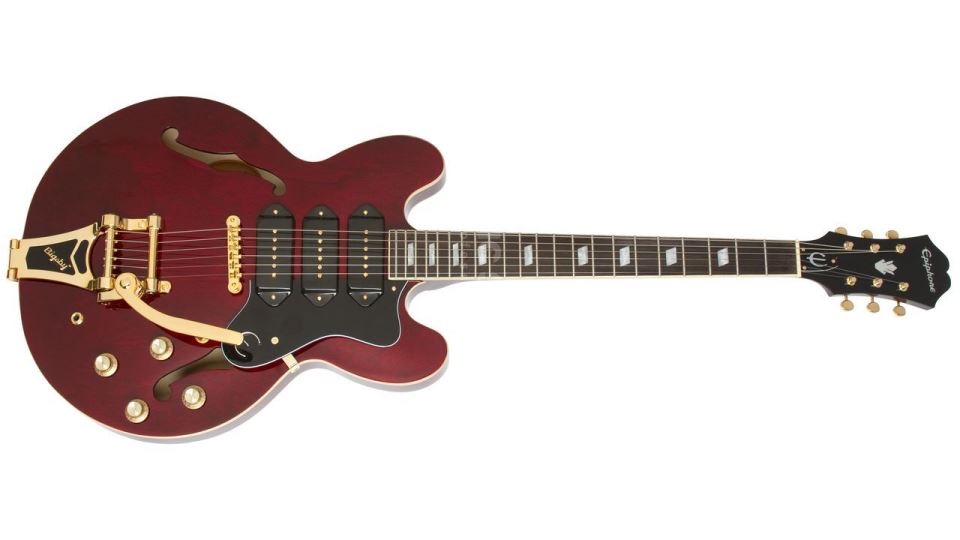
The Epiphone Riviera Custom P93 electric is one of those guitars that make you wonder how they got all of those features into a 500.00 model that looks so good. In addition, it's appearance differentiates it from pretty much 90% of the semi-solid guitars in its class.

The Riviera is a model that originated as a model to compete with the ES-335 but had no Gibson equivalent. The version here is a faithful, though lower cost recreation of that 60s model. Though the sales ads use the usual magic words “Like a Gibson ES-335” it's really a very different animal. 

For one thing, you have three closely placed P-90 style pickups instead of the usual double humbuckers, and the sound is both brighter, and more, well, loud sounding. Its sound is really a little more related to the 60s Gibson SG than an ES at full volume, but there are some similarities.  

The Riviera also has a laminate body instead of mahogany like the original version but that type of body is common in higher end jazz guitars because it reduces feedback. The use of a full plywood body changes the sound quite a bit. The original had a warmer, jazzier tone. The use of plywood isn't fatal of course, the classic Gibson ES-175 jazz guitar is all plywood also, and it frankly wasn't such a famous guitar that there's a generation of rock players out there who remember what one sounded like.

In the context that it's more likely to be used for now, which can range from alternative to retro, the plywood body and mahogany neck work just fine. The craftsmanship is good, though not impressive, but the cosmetics are very nice. You'll hear a lot that cosmetics aren't important, but of course it is. The more you like a guitar, the better it sounds and the more effort you'll invest in making it sound good.

It's a very comfortable guitar to play, and the range of tones one can get with the three pickups (each with its own volume knob) is pretty wide. Add to that a decent Bigsby tremolo, and you have a pretty fun package.

The one flaw is that the Epiphone P90s aren't as good as the Gibson type. A bit flatter and dryer in tone, but mainly in clean or low volume settings. I've noticed that from guitar to guitar, the sound of this model can be more or less resonant than the next, which can make a difference in how rich the tone is on a semi-solid, so it's important to try before you buy (unless you have 30 days to return it, etc).

The version I tried sounded OK in the store, and like I said earlier, is a very fun package with a lot of things one can do with the sound. At 500.00, it's hard to pass up.

When I tried it at home, through various size amps, and with a friend playing it (with me just sitting and listening), I got a better feel for what it's strengths and weaknesses were (to these ears, anyway).

Because the Epi P90s aren't as full as the Gibsons, the Riviera Custom sounds OK as a blues guitar in the T-Bone Walker or jazzy mode but doesn't really cut as a harder edged Chicago machine. On a small amp, it does the older raw blues just fine. Its jazz tone is pretty average, and it's not recommended for that use except maybe as a backup.

As a rock and/or alternative guitar, it's as good as you want to make it. At higher volume, the Epi P90s work fine, and give you a nice throaty sound that can sound trashy, bell toned, or raunchy in a retro way. It's too retro for metal per se, though that's why God permitted man to create effects pedals and high-tech amps (both made by industries that aren't as reactionary as guitar makers).

I thought it was a fun guitar, particularly at high volume. It's a package that is worth more than 500.00 for sure, and if you're looking for a guitar that has a different visual look, than this one is worth a try. I returned it because I happen to be old enough to remember what old P90s sound like, so it didn't measure up in terms of sound.

I could have, of course, upgraded the pickups, but my philosophy is that each guitar is designed as a package, and in this case, the cost cutting measures in a mid-priced guitar would make putting in stock Gibson P90s a gamble that would add a few hundred dollars to the cost of the guitar and perhaps not improve it enough to my liking.

In other words, upgrading the pickups would create an $800.00 or 900.00 guitar. At that price, one can get an American made Tele or Strat (at least used) and there's US made Gibsons that are in that price range. To me, not worth it.

On the other hand, like I said earlier, the Riviera has a feature set is easily worth more than 500.00, and for a younger player who plays certain styles, it's a very nice guitar with a distinctive look. I'd rather have this Riviera than an Epiphone Dot or any other ES-335 copy.

I ended up not buying the Riviera Custom, but it's the kind of guitar that if someone else bought it and thought my opinion was wrong, I wouldn't be offended. I don't love Les Pauls much either, so I'm probably wrong about a few things as it is...

- Al Handa 

  2013

Note: This review first appeared on the ePinions.com site in 2013. This and other reviews were short takes that accompanied the link to a business that sold the guitar. As a rule, the guitar had to be at least examined and played by the reviewer (and ideally owned). In my case, a severe case of GAS made it possible to have at least owned the reviewed instrument for a short while. I'm reprinting these as having another source on a guitar never hurts, even if the reviews aren't definitive. Other than minor corrections, these short takes are unchanged from the original text. I figure that it might be helpful to keep the older perspective.


The Quitturz by Al Handa


AVAILABLE ON KINDLE UNLIMTED


AVAILABLE ON KINDLE UNLIMTED



Here's info on some of my Vella books:


The Quitturz (title not changed on ad yet)


https://www.amazon.com/kindle-vella/story/B09PC3L6PC


I, Ivy


 https://www.amazon.com/kindle-vella/story/B0B3RCBT4D


The Forbidden Lost Gospels Of Murgatroyde


 https://www.amazon.com/kindle-vella/story/B0BJ2TW4P1


The Boogie Underground Think Tank: How To Survive The End Of Civilization


 https://www.amazon.com/kindle-vella/story/B0BG6LNXTG


The Adventures Of Queen Khleopahtra: Ruler Of Egypt, Time Traveler, and Literary Detective


 https://www.amazon.com/kindle-vella/story/B0BJC122G7


Please check out and listen to my music on Spotify, YouTube, Apple Music and other music sites. Please add any cuts you like to your playlists!


Monday, March 18, 2024

Review: Fender ‘65 Mustang (Reissue)


Guitar Review: Fender '65 Mustang Reissue

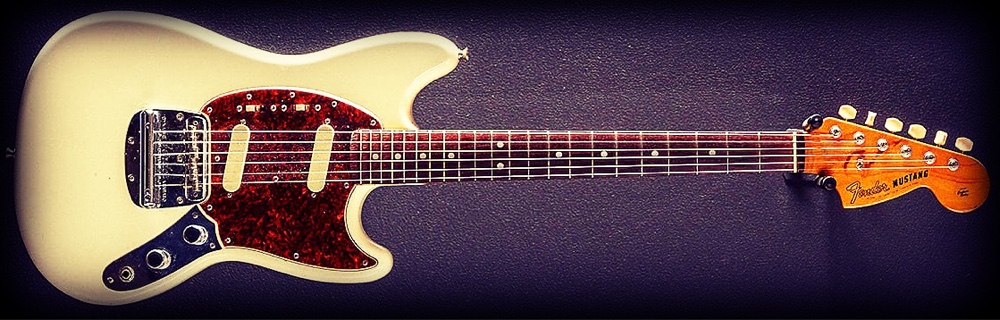
The Fender '65 Mustang, a reissue of the original student economy version, is a pricey trip into nostalgia and a classic example of how publicity can change the perception of a guitar.

I was treated to an hour-long demonstration of the Mustang back when I was a teenager in 1971 as the only customer in a small music store. I mentioned to the owner that my goal was to have a guitar like Jorma Kaukonen used in Hot Tuna, but I went into price shock at the cost of a Fender Strat, so I was immediately steered to the Mustang.

For about an hour, he had me play it through various amps and explained how clean its tone and body shape made it easy to play. Though I wasn't an expert, I couldn't get around one fact, it sounded awfully tinny and thin (not many gain knobs in '71 amps). I never bought it, though later considered a Duo Sonic, which I thought sounded much better.

I realized later that the problem was simply that a Mustang isn't a Strat…

So what makes this Fender Mustang worth almost a thousand dollars (at internet pricing to boot)? You can get a Telecaster for that kind of money.

Like many guitars, what gives it mojo is who plays it in the public eye. It suddenly became a pro-level guitar when it became associated with artists like Curt Cobain, Adrian Belew, Dave Byrne, Todd Rundgren, and others. It should also be noted that most of the above moved on to better guitars later in their careers.

One also has to consider that it is an attractive guitar, easy to play, and different from the countless number of strats and teles out there.  It's certainly a guitar that can make real music in the hands of a player with talent or a player in a style that suits its sonic qualities. It also fits with the current trend of younger players preferring the Jaguar and Jazzmaster models over the more traditional body shapes.

That said, it's a specialty guitar and a former student guitar priced at a premium level. Unfortunately, the "Period Correct" poplar wood also puts it into the same wood quality category as the earlier (and much criticized) poplar-bodied Mexican-made strats and telecasters.

Fender uses Poplar on other models, and in itself, that's not a bad thing. They use it on the three-pickup Squire Tele, for example, and that's a model that some like a great deal. If accounts are correct, one of Leo Fender's earliest prototypes used Pine (leading to some high-priced Telecasters made of that wood by boutique makers).

The other hardware is pretty good, and I like the very cool vibrato mechanism with the floating tailpiece. It's a lighter and slimmer guitar than a Strat, and even the most snooty player will have to admit that from a playing standpoint, it's a fun and easy player.

I'll also give its Olympic White with tortoiseshell pickguard an "A" for style, and along with its Jazzmaster aura with extra buttons and unconventional tremolo, it's a guitar that would fly off the racks at 600.00, the average price of a Fender exclusive.

My impression of this handsome guitar was about the same as when I played it as a teen. It's a very easy guitar to sit with and play with for an hour (though with no store owner to keep it in my hands, my demo lasted less time) or more. From a playability standpoint, it's better than I remembered, and its tone is fuller. Part of that is that amps are better now and have gain knobs to get around any thin icepick tone.

I found the Fender 65 Mustang Electric to be a fun, easy-to-play guitar that could handle alternative and retro rock very well. It still sounded a bit thin to my ears, but if you listen to records by the guitarists listed above, their sound wasn't conventional either.

One should also note that few of those guitarists stuck with this model or only used it occasionally later on. Cobain, in particular, went on to other Fender models.

It's a special edition type guitar that would appeal more to baby boomers who may have fond memories of the Mustang if it was their first at this price, and even at almost a grand, I'm not saying you'll get a bad or mediocre guitar. For a few, it will be the perfect guitar.

But...if you put a Telecaster and this Mustang side by side, which the price essentially does, I'm going to take the Tele every time, not to mention Fender's very nice 800.00 range of Mexican strats or the Gibson SG special with the mini humbuckers, or....you get the picture.

At this price range, Fender should have forgotten about the period correct stuff (and added it to the Squire Vintage Modified Line), or made a super duper Mustang with the finest wood, hottest pickups, etc, like they did with the Curt Cobain Jaguar.

The ‘65 Mustang is a guitar that more than a few beginners and intermediates would be thrilled and proud to own, but not at this price.

-Al Handa

Note: This review first appeared on the ePinions.com site in 2013. This and other reviews were short takes that accompanied the link to a business that sold the guitar. As a rule, the guitar had to be at least examined and played by the reviewer (and ideally owned). In my case, a severe case of GAS made it possible to have at least owned the reviewed instrument for a short while. I'm reprinting these as having another source on a guitar never hurts, even if the reviews aren't definitive. Other than minor corrections, these short takes are unchanged from the original text. I figure that it might be helpful to keep the older perspective.


The Quitturz by Al Handa


AVAILABLE ON KINDLE UNLIMTED


AVAILABLE ON KINDLE UNLIMTED


Here's info on some of my Vella books:


The Quitturz (title not changed on ad yet)


https://www.amazon.com/kindle-vella/story/B09PC3L6PC


I, Ivy


 https://www.amazon.com/kindle-vella/story/B0B3RCBT4D


The Forbidden Lost Gospels Of Murgatroyde


 https://www.amazon.com/kindle-vella/story/B0BJ2TW4P1


The Boogie Underground Think Tank: How To Survive The End Of Civilization


 https://www.amazon.com/kindle-vella/story/B0BG6LNXTG


The Adventures Of Queen Khleopahtra: Ruler Of Egypt, Time Traveler, and Literary Detective


 https://www.amazon.com/kindle-vella/story/B0BJC122G7


Please check out and listen to my music on Spotify, YouTube, Apple Music and other music sites. Please add any cuts you like to your playlists!

Sunday, March 17, 2024

Review: 2023 EPIPHONE LES PAUL SL MELODY MAKER


GUITAR REVIEW: EPIPHONE LES PAUL SL MELODY MAKER

The Les Paul Melody Maker has been around since the 50s and has traditionally been a student economy model, whether Gibson manufactured it (or later on by (Epiphone).

The most well known early configuration was a single P90 (or Humbucker later on) in the bridge position. As a result, the double pickup models were called Les Paul Juniors or other names.

However, the earliest ones also had single coil pickups, a model that was later reissued to mixed reviews.

The various models are well documented on the Internet and are interesting reading for those who wish to learn more about the Melody Maker. 

It's worth noting that in the 60s and 70s, the original Gibson versions became famous because of artists like Leslie West of Mountain and Mick Ralphs of Bad Company, among others, who used one for recording and live performance.

The notoriety predictably put the guitar's price into expensive collector territory (with the inevitable hosanna-type praise for its miraculous vintage tone).

Fender had two student models, the Mustang and its hard-tail variant, the Duo-Sonic. The latter gained fame from its use by Patti Smith and others in the early Punk era, and the price of those went up, but in the original configuration, it remains a higher-priced model in the Squier economy line.

…credit where credit is due…

One has to give Epiphone and its parent company, Gibson, credit; they've kept the original style Melody Maker among the cheapest in the market and competitive with the multitude of cheap guitars coming out of China. 

That makes it an instrument that draws passionate raves or condemnation, and it's best to evaluate it like an Olympic gymnastics judge and throw out the highest and lowest scores. That gives a prospective buyer a reasonable middle ground of information.

I recently purchased this guitar because my current collection is all acoustic (for various reasons), but wanted an electric for fun and possible use for recording, and it had to be as cheap as possible.

I looked into the various guitars in the two-hundred price range. I saw a lot of nice models starting from about a hundred, which were Chinese copies of traditional designs which mainly enjoyed rave reviews on YouTube (which is the best place to hear how a particular axe sounds).

The problem with print and video reviews on guitar sites is that those are all too often just material taken from press releases or, in the case of YouTube, paid infomercials that many channels are eager to do for a price. Some YT reviewers have publicly alluded to the practice, but as a rule, it has stayed a dirty little secret.

I view YouTube reviews as a great way to hear how a particular guitar sounds and ignore the recommendations. In the case of electrics, it's valuable to listen to those demonstrated through the players' various types of amps and skill levels. 

…YouTube videos…

A pro can make any guitar sound great, but videos by amateurs are a better glimpse into how it might sound when you're playing it (and, of course, we assume that great things will come from your efforts).

So, the perfect choice was cheap, very cheap if possible. That meant since the construction and materials were going to be basic, it had to have an outstanding cool factor and low-cost mojo.

In the 70s, that meant finding a used guitar like the Fender Duo-Sonic (or a less desirable model like a Jazzmaster) or failures like the various Gibson models that attempted to be Fender-like or cheaper versions of the Les Paul (early specials, etc.).

That's not an option in 2023. Every model from that era is now a collector item out of my desired price range.

The main problem with the various one hundred dollar copies of classic guitars, besides the sound, was that I  do have a bit of snob in me, so a cheap copy of a Telecaster or Strat isn't appealing to someone who's played the real thing since the early 70s.

…two choices…

That left the Melody Maker or Mustang/Duo-Sonic, but the latter is a premium item even in the Squier line. There is a Mustang in the same price range as the Melody Maker, but it's a modernized version with Humbuckers that look and sound good but lose too much in translation in the eyes of an old geezer who remembers the good old days of Fender cheapies. An excellent choice for a modern player, though, and it was a close second choice.

This particular Melody caught my eye because it looks like the original but with a paint job and specs that would look good for a higher-range Fender Squier.

The tie-breaker was the maple neck and alder body with classic Melody Maker styling. The single tone and volume knobs would be familiar to any Tele player, and having controls for each pickup is a matter of taste.

The classic sunburst with P-90 pickups is available in this model line for those who like the vintage look. In my case, I've always preferred the single-color automobile look (aka Fender) and more traditional single coils. Those who love the P90 sound will like this one.

Also, the alder and maple model was part of the starter kit version. The material can be poplar or other woods when sold by itself.

Interestingly, this model has a neck scale similar to a Tele or Strat but slightly wider like a Les Paul. In other words, it's a full-size neck, making it slightly "neck heavy," though it doesn't dive for the floor like a Gibson SG. 

The best place to get this model is from a store where it can be played or from a site that states that it's been set up and has a good return policy. Mine came directly from Epiphone, which frankly isn't as reliable. The guitar could have been sitting in the warehouse for a while and needed adjustment and fretwork. 

I can do those things due to experience, but a beginner may not be able to or have a friend who can. 

…spend more…

I also decided to spend a little more and get the starter pack. My tuners (except my old school Korg from the 90s) had corroded, which modern clip tuners can do, and it saved me the trouble of getting accessories like a gig bag separately at more cost. The little amp is cute and OK for what it is.

The main reason I like Epiphones is that their guitars have nice playing necks, are constructed with good materials, and have excellent cosmetics. Electronics were sometimes mediocre in the past, but these days that's not the case.

The main thing is among the large pack of cheap guitars available these days, the brand name does mean something, and I had a good idea of what I was getting with this brand in a mail-order item.

It did need setup, but otherwise, it's highly playable, and through my small Fender amp, which was the only electric equipment still in my gear collection, it does sound a bit like a Strat.

The front pickup has a middle-position Strat sound, and the bridge is kinda Tele-like, but the Epi single coils are brighter and have a pleasant chime. That works well for future projects in an 80s New Wave bag. If I needed a purer Fender sound, then a Squier Tele or Strat could have been had for a little more money.

That's the guitar voice I'm getting, and yours will probably be different depending on the amp, pedal, or playing style. 

…further investigation…

This Melody Maker seems to have a wide range of sounds, judging from what I heard in the numerous YouTube videos, and checking those out is recommended for those interested in buying this model. Listen to it demonstrated by pros and beginners, so you hear what it'll sound like at first and what's possible with dedicated practice.

Though the experts will say that guitars like this are just a stepping stone to better models, in my essay after this review, I make the point that if you can't make pro-level sounds on a beginner guitar, then a more expensive guitar probably won't help.

In my case, it's a perfect part of a collection. In your case, it's the start of a journey and more than good enough to produce the music you hear in your head; after that, it's talent and practice.

...and I should note the ones who become pros tend to be the ones who put in the time and work hard at it. In other words, it's all in your hands, not how much the guitar costs.

Note: I rarely list specs as those are widely available in more detail online, but this a good idea here as this line has been around for decades, and the materials used can vary.

- Al Handa

Specs:

Brand: Epiphone
Model:  Les Paul SL Melody Maker (dual single-coil config.) 
Color: Turquoise (other colors avail.)
Body Material: Alder
Neck Material: Maple
Fretboard Material Type: Granadillo
Guitar Pickup Configuration: Open coil 650SCR single-coil pickup (neck) and 700SCR single-coil pickup (bridge)
Hand Orientation: Right
Guitar Bridge System: Adjustable, intonated wrap-around "Stop Bar Combo" bridge
Controls: Single master volume and tone knobs.


The Quitturz by Al Handa


AVAILABLE ON KINDLE UNLIMTED


AVAILABLE ON KINDLE UNLIMTED


Here's info on some of my Vella books:


The Quitturz (title not changed on ad yet)


https://www.amazon.com/kindle-vella/story/B09PC3L6PC


I, Ivy


 https://www.amazon.com/kindle-vella/story/B0B3RCBT4D


The Forbidden Lost Gospels Of Murgatroyde


 https://www.amazon.com/kindle-vella/story/B0BJ2TW4P1


The Boogie Underground Think Tank: How To Survive The End Of Civilization


 https://www.amazon.com/kindle-vella/story/B0BG6LNXTG


The Adventures Of Queen Khleopahtra: Ruler Of Egypt, Time Traveler, and Literary Detective


 https://www.amazon.com/kindle-vella/story/B0BJC122G7


Please check out and listen to my music on Spotify, YouTube, Apple Music and other music sites. Please add any cuts you like to your playlists!